

DeFi Tax Calculator for UK No Gain No Loss Rules: FIFO LIFO HIFO Guide 2026

As UK DeFi traders and NFT investors gear up for the 2026 tax year, the landscape has shifted dramatically with HMRC’s evolving stance on no gain no loss (NGNL) rules. What once triggered immediate capital gains tax (CGT) on lending or staking now promises deferral until true economic disposal. This change, rooted in consultations from late 2025, spares users the ‘dry tax charge’ on liquidity pools and yield farming. Yet, with CGT rates at 18% for basic-rate taxpayers and 24% for higher earners, plus a slashed £3,000 annual exempt amount, precision matters. A reliable DeFi tax calculator UK becomes essential to navigate these rules without unwelcome surprises.

HMRC’s NGNL Relief: A Game-Changer for DeFi Lending and Staking
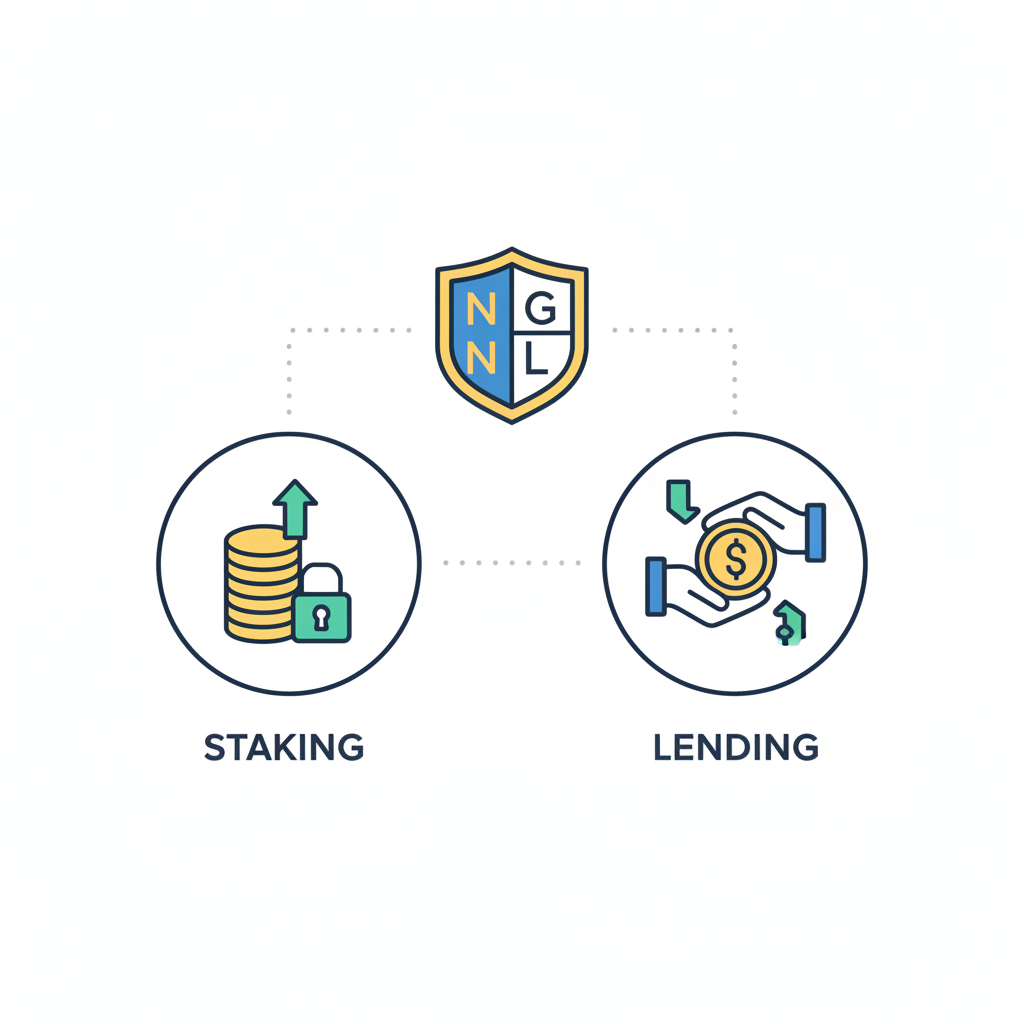
HMRC’s push toward NGNL treatment addresses a core pain point in DeFi. Previously, depositing tokens into lending protocols or staking pools often counted as a disposal, crystallizing gains prematurely even without cashing out. Sources like GOV. UK and Deloitte’s TaxScape highlight how this ‘dry tax charge’ stifled participation. Now, for arrangements started in 2025 and held into 2026, tax liability defers until you sell or otherwise economically dispose of the assets.
This isn’t blanket immunity. It targets specific DeFi activities: lending where you retain beneficial interest, and staking without immediate exchange. Consultations from RossMartin. co. uk and Cryptobooks confirm HMRC’s intent to align taxation with reality, not technical disposals. As a CPA who’s guided countless yield farmers through volatility, I advise caution: document every transaction meticulously. Assumptions of NGNL could falter if legislation tightens scopes unexpectedly.
Practical impact? Imagine staking ETH in a liquidity pool. Under old rules, you’d calculate gains at deposit based on fair market value. NGNL pauses that, letting rewards accrue tax-free until withdrawal and sale. But income from staking rewards still faces 0-45% income tax, per Blockpit’s 2026 guide. Conservative hedging here means tracking both deferred CGT and current income.
UK Share Identification Rules: Same-Day Matches Trump LIFO and HIFO
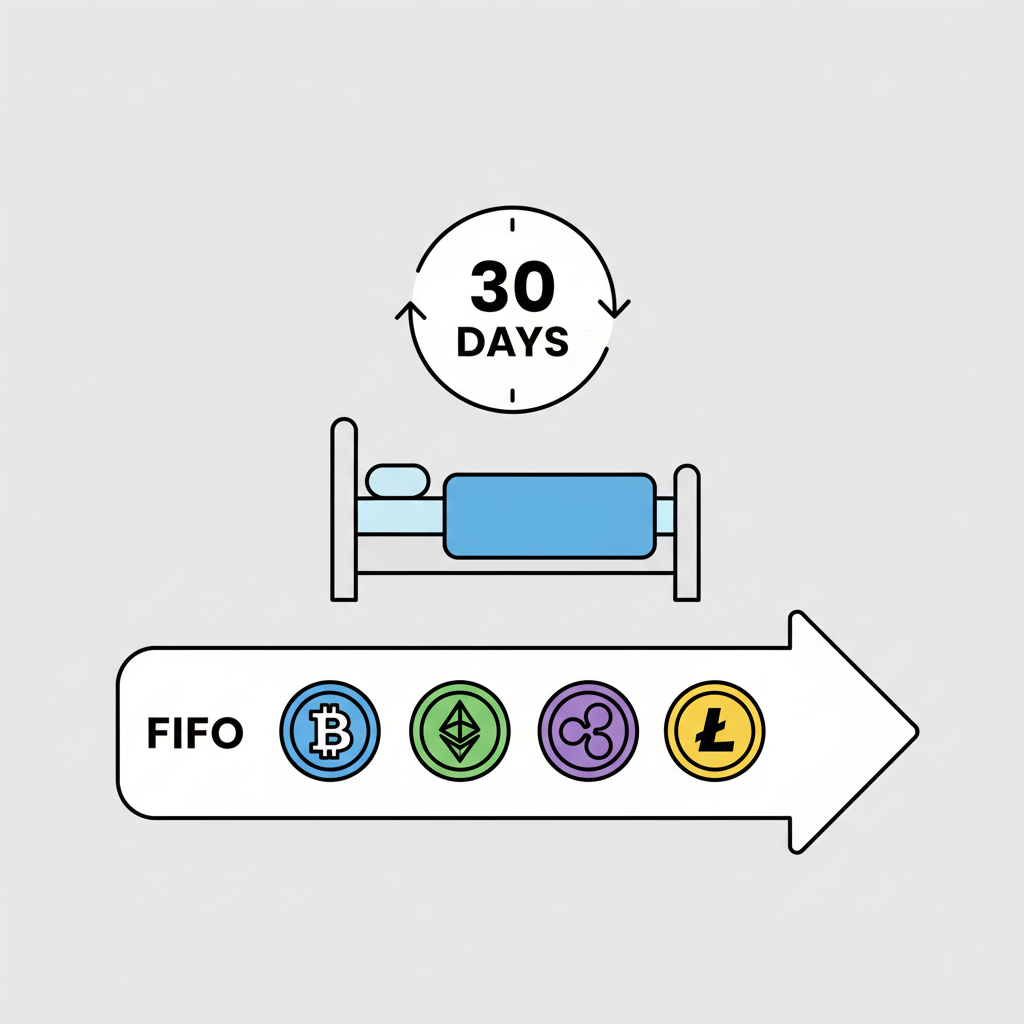
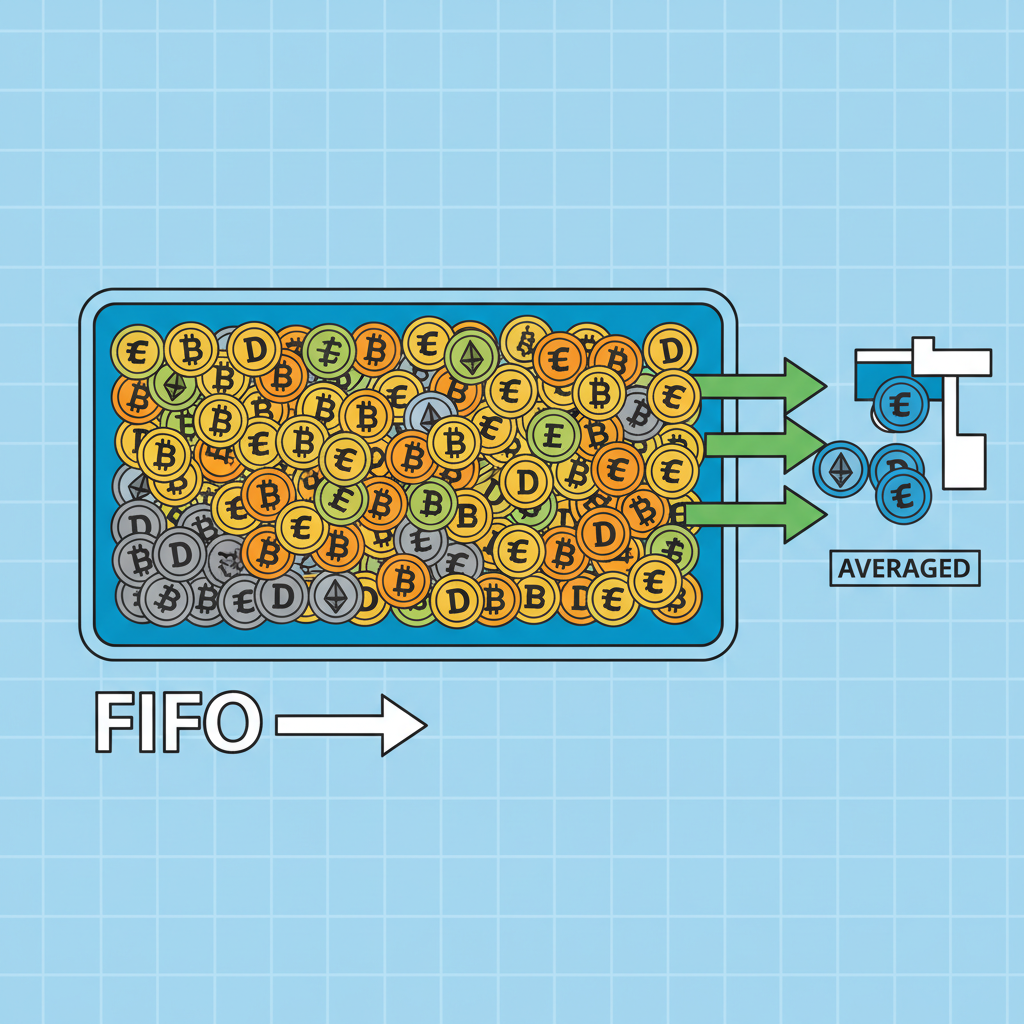
Forget the flexibility of LIFO or HIFO touted in US tools. UK’s CGT framework mandates rigid pooling for cryptoassets, treating them like shares. The sequence starts with same-day acquisitions: disposals match buys from the same day at cost. No matches? Enter bed and breakfasting – FIFO within 30 days post-disposal. Finally, the section 104 pool averages all prior holdings.
This structure, updated in the February 2026 context, enforces fairness but demands robust tracking. Why does it clash with FIFO LIFO HIFO DeFi UK debates? LIFO (last in, first out) and HIFO (highest in, first out) optimize taxes by pairing high-cost disposals, yet HMRC rejects them outright. Stick to these rules, or risk audits. Our platform at nfttaxpro. com simulates them flawlessly, optimizing within legal bounds for HMRC DeFi lending tax 2026 compliance.
UK CGT Identification Rules for DeFi and Cryptoassets
| Priority | Rule | Description |
|---|---|---|
| 1 | Same-day rule | Disposals are matched with acquisitions made on the same day (priority 1). |
| 2 | Bed and Breakfasting (30-day FIFO) | If no same-day acquisitions exist, disposals are matched with acquisitions made in the 30 days following the disposal on a FIFO basis (priority 2). |
| 3 | Section 104 pool | Residual disposals are matched against the Section 104 holdings pool using average cost (priority 3). |
| – | Note | LIFO and HIFO methods are not recognized for UK CGT purposes. |
Opinionated take: This rigidity protects revenue but burdens users. In volatile DeFi, where token values swing wildly, averaging via section 104 can inflate gains. I’ve seen clients shave thousands by electing specific identifications where allowed, though rare for fungible crypto. Prioritize tools with real-time cost basis tracking.
Building Your DeFi Tax Strategy with the Right Calculator
A crypto staking tax calculator UK isn’t just software; it’s your compliance shield. With NGNL layering atop pooling rules, manual spreadsheets crumble under swap volumes and airdrops. Look for platforms handling FIFO-mandated matches automatically, projecting deferred gains, and flagging income events.
Consider a yield farmer with multiple pools. Same-day rules hit spot trades; NGNL spares staking entries. Yet, reward harvests trigger income tax, potentially feeding back into CGT pools. Rates bite harder now – 24% on gains over £3,000 exempt. My 14 years advising NFT collectors underscores: conservative strategies win. Hedge by overestimating liabilities 10-20% in projections.
Layering NGNL atop these identification rules demands tools that model both deferrals and matches simultaneously. Platforms ignoring UK specifics peddle US-style LIFO optimism, inviting HMRC scrutiny. I’ve audited enough returns to know: precision averts penalties exceeding 100% of tax due.
Real-World DeFi Scenarios: NGNL in Action for Lending and Liquidity Pools
Picture this: you lend USDC via Aave in late 2025, holding through 2026. Pre-NGNL, deposit crystallized CGT on any appreciation from acquisition. Now, under prospective rules from Freshfields and Cadwalader analyses, no gain registers until repayment or sale. Withdraw rewards? Those count as income, taxed at your marginal rate, then pooled for future CGT.
Shift to liquidity provision on Uniswap. Adding tokens to a pool once posed disposal risks; NGNL eyes deferral if you retain pool token claims mirroring originals. Yet, impermanent loss complicates pooling. Section 104 averages muddle LP token costs against native holdings. Opinion: this half-measure suits simple stakes better than dynamic AMMs. Track LP exits as multi-asset disposals, matching via same-day where possible.
Staking nuances persist. Validator rewards trigger income tax immediately, unlike deferred principal. HMRC’s Autumn 2025 Budget signals reporting mandates for service providers, per Practical Law. Expect 1099-like forms by 2027, pressuring self-custody users toward compliant calculators. My conservative stance: assume full audit trails from day one, projecting 24% CGT on all unlocked gains.
UK DeFi Tax Guide: NGNL Deferral, Pooling Rules & HMRC Reporting
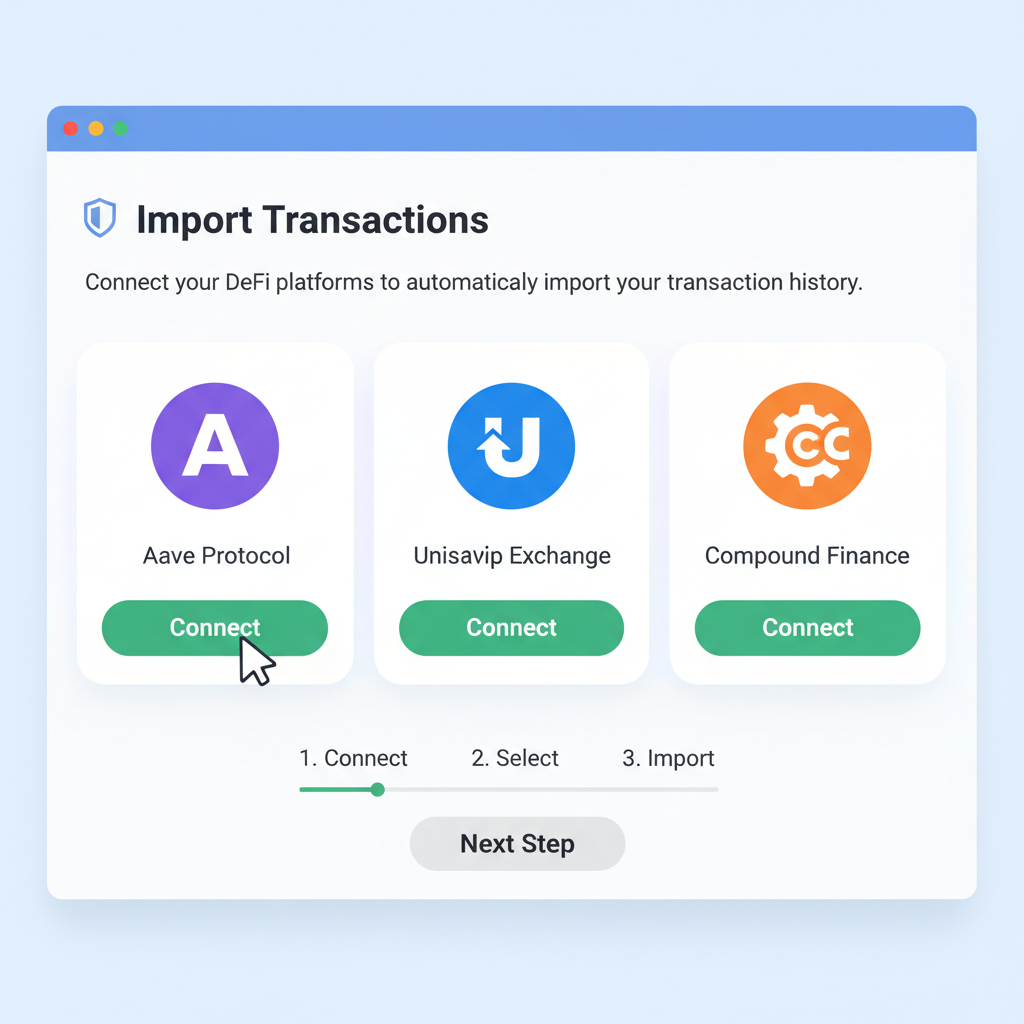


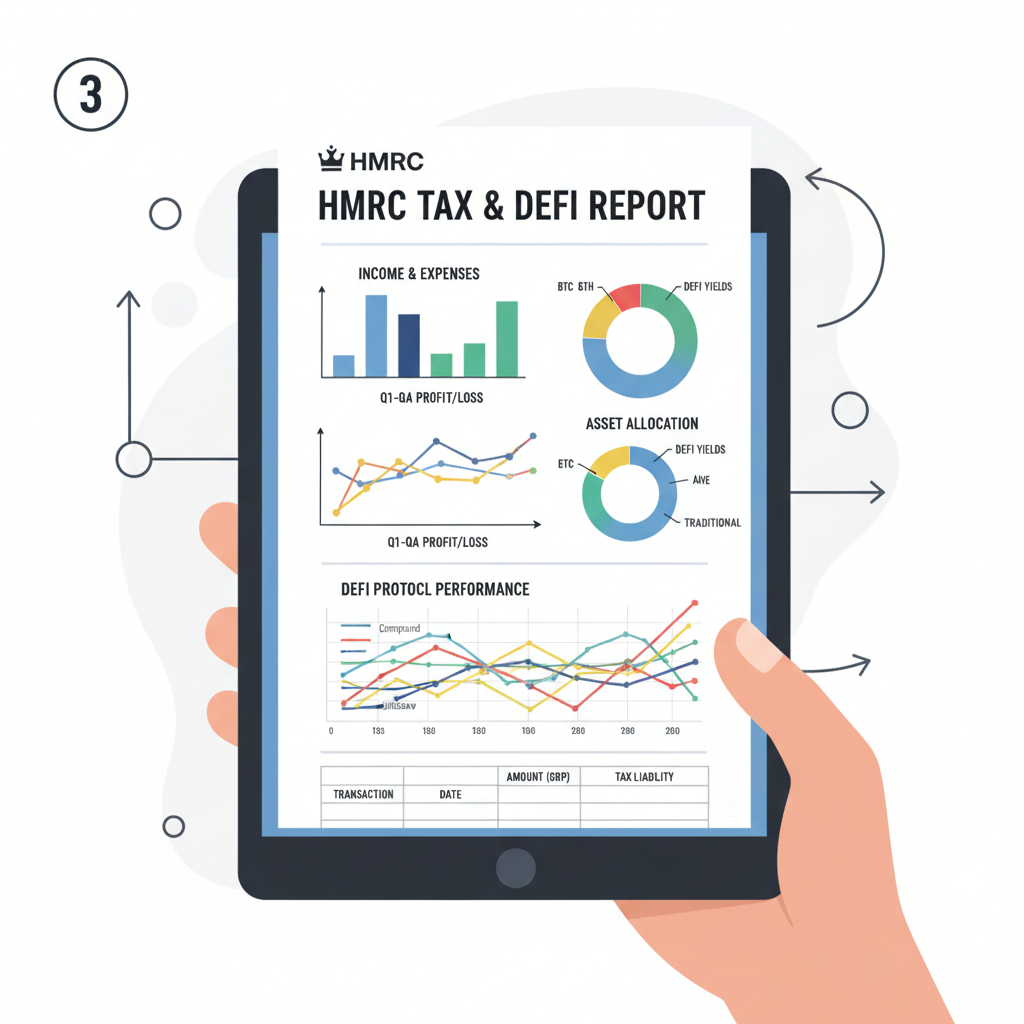
These scenarios underscore why generic spreadsheets fail. A dedicated DeFi tax calculator UK ingests transaction histories, flags NGNL-eligible events, and simulates pooling outcomes. nfttaxpro. com excels here, processing DeFi complexities in real-time while enforcing UK rules over tempting LIFO/HIFO.
Optimizing Compliance: Beyond Calculation to Risk Hedging
Tax minimization flirts with aggression; true mastery hedges risks. With CGT exempt amount at £3,000, even modest DeFi plays breach it fast. Harvest losses strategically within bed-and-breakfasting windows to offset gains. But NGNL defers winners, so time disposals post-reward accruals for income-CGT synergy.
I’ve counseled NFT collectors flipping yields into collectibles; same logic applies. Use calculators forecasting post-NGNL liabilities, stress-testing volatility. If ETH doubles during your stake, deferred gain awaits at 24%. Conservative play: realize small losses annually to utilize exemptions, preserving pools intact.
Reporting looms larger too. Autumn Budget mandates cryptoasset data collection, targeting UK residents. Platforms like ours pre-generate CGT summaries, income breakdowns, and even SA108 supplement previews. No more midnight scrambles before 31 January deadlines.
DeFi’s allure – yields topping 10% APY – persists, but 2026 taxes demand vigilance. HMRC’s NGNL evolution eases lending frictions, yet pooling rigidity endures. Ditch LIFO dreams; embrace same-day discipline. As yield farmers, we thrive by managing risk first, taxes second.
Equip yourself with nfttaxpro. com’s real-time engine. It deciphers UK no gain no loss DeFi tax intricacies, simulates HMRC DeFi lending tax 2026 deferrals, and ensures FIFO LIFO HIFO DeFi UK awareness without pitfalls. Master compliance; reclaim peace amid market storms.