

UK DeFi Tax 2026: Calculating No Gain No Loss for Lending Pools and Staking Rewards

As UK DeFi tax 2026 rules take shape, the proposed ‘no gain, no loss’ (NGNL) treatment from HMRC promises to reshape how traders handle lending pools and staking rewards. This shift addresses long-standing frustrations where depositing tokens into protocols triggered immediate capital gains tax (CGT) events, even without cashing out. For years, DeFi enthusiasts faced dry tax charges – gains taxed on paper profits from swaps or impermanent loss, not actual sales. Now, with the February 2026 proposal, HMRC aims to defer taxes until a real economic disposal, aligning rules with DeFi’s fluid nature. Yet, this remains a proposal, not law; for the 2024/25 tax year filing by January 31,2026, stick to existing disposal rules or risk audits.

The industry’s pushback has been vocal. Groups like those cited by Recap. io argued that lending or staking lacks true disposal, echoing CoinDesk reports on reducing administrative burdens. Deloitte’s TaxScape notes the legislative pivot toward NGNL relief for entering these arrangements. This isn’t just relief; it’s a pragmatic recalibration. From my 18 years tracking macro shifts, regulatory clarity like this stabilizes markets, letting yields compound without phantom taxes eroding returns.
HMRC No Gain No Loss DeFi: Breaking Down the Proposal’s Core Mechanics
Under scrutiny, NGNL treats initial DeFi entries – think supplying liquidity to Uniswap pools or lending ETH on Aave – as non-taxable. No CGT on the deposit, even if values fluctuate. Tax crystallizes only on withdrawal or sale, using the original cost basis. GOV. UK consultations highlight this targets ‘certain disposals, ‘ likely excluding yield-bearing swaps that mimic sales. RossMartin. co. uk details deferral until economic disposal, preventing over-taxation on volatile assets.
Critically, staking rewards complicate matters. FreshBooks and Andersen LLP flag that pools often involve token swaps at entry, creating taxable legs under current rules. The NGNL fix proposes pooling assets, rolling over basis like stock transfers between spouses. Opinion: This conservative approach suits long-term holders, mirroring my fundamental lens on regulatory evolution over hype cycles.
Comparison: Current CGT Rules vs Proposed NGNL for DeFi Lending, Staking, and Liquidity Pools
| Transaction Type | Current Tax Event | Proposed Treatment | Example Impact |
|---|---|---|---|
| DeFi Lending (e.g., depositing into lending protocol) | Treated as disposal; CGT due on gain from acquisition cost to deposit value | No gain, no loss (NGNL); no CGT until economic disposal (e.g., withdrawal or sale) | Defers tax on unrealized gains, avoiding ‘dry tax charge’ and reducing immediate burden |
| Staking (e.g., locking tokens for rewards) | Often treated as disposal; CGT triggered on entry into staking arrangement | NGNL relief; tax deferred until true disposal of staked assets | Aligns tax with economic reality; lowers admin costs as no tax on staking deposit |
| Liquidity Provision (e.g., adding to Uniswap-style pools) | Considered a disposal for CGT; tax on gain at pool entry | NGNL treatment; CGT only on later economic disposal | Prevents tax on entry despite no cashout; tax applies to net gains including impermanent loss at exit |
DeFi Lending Tax Calculator UK: Modeling NGNL for Pools
Picture supplying 1 ETH to a lending pool when ETH hits its acquisition cost of £2,000. Today, any value rise to £3,000 on deposit triggers £1,000 CGT at 20% (higher rate), netting £800 tax before yields. NGNL? Zero immediate hit. Withdraw later at £4,000; tax only on £2,000 gain from original basis. Tools like NFT Tax Pro can simulate this, tracking FIFO/HIFO across chains.
Impermanent loss adds nuance. Divergence in pool assets (ETH/USDC) erodes value, but NGNL defers calculation, potentially offsetting losses against future gains. Cryptobooks explains HMRC’s NGNL confirmation for pools, urging real-time tracking. For pros, this means recalibrating strategies: lock longer terms without tax drag, maximizing APYs from 5-15% on stablecoin lends.
Staking Rewards Tax UK: When Rewards Become Taxable Under NGNL
Staking ETH for rewards differs from lending; validators lock assets, earning new tokens. Current rules tax rewards as income on receipt, plus CGT on disposal. The proposal extends NGNL to entry, but rewards likely remain income-taxed per event. Yahoo Finance UK ties 2026 changes to OECD compliance, mandating reporting from UK providers per Practical Law.
Calculate thus: Stake 32 ETH at £2,000 cost. Earn 0.1 ETH reward yearly, valued at receipt. NGNL skips pool entry tax; tax reward income, then defer basis on principal withdrawal. My take: This half-measure demands vigilant logging, as HMRC eyes chains for unreported yields. DeFi liquidity pool CGT vanishes for deposits, but harvest wisely.
Navigating this landscape demands precision, especially with HMRC’s evolving stance on DeFi liquidity pool CGT. While NGNL defers the pain, staking rewards still hit income tax ledgers upon accrual. Picture a validator earning LDO tokens from Lido; those count as miscellaneous income at market value, separate from principal deferral. My view, honed over macro cycles, favors this split: it curbs abuse while honoring DeFi’s yield mechanics.
DeFi Lending Tax Calculator UK: Step-by-Step NGNL Computation
Unlocking No Gain, No Loss: Master DeFi Lending & Staking Taxes in 2026
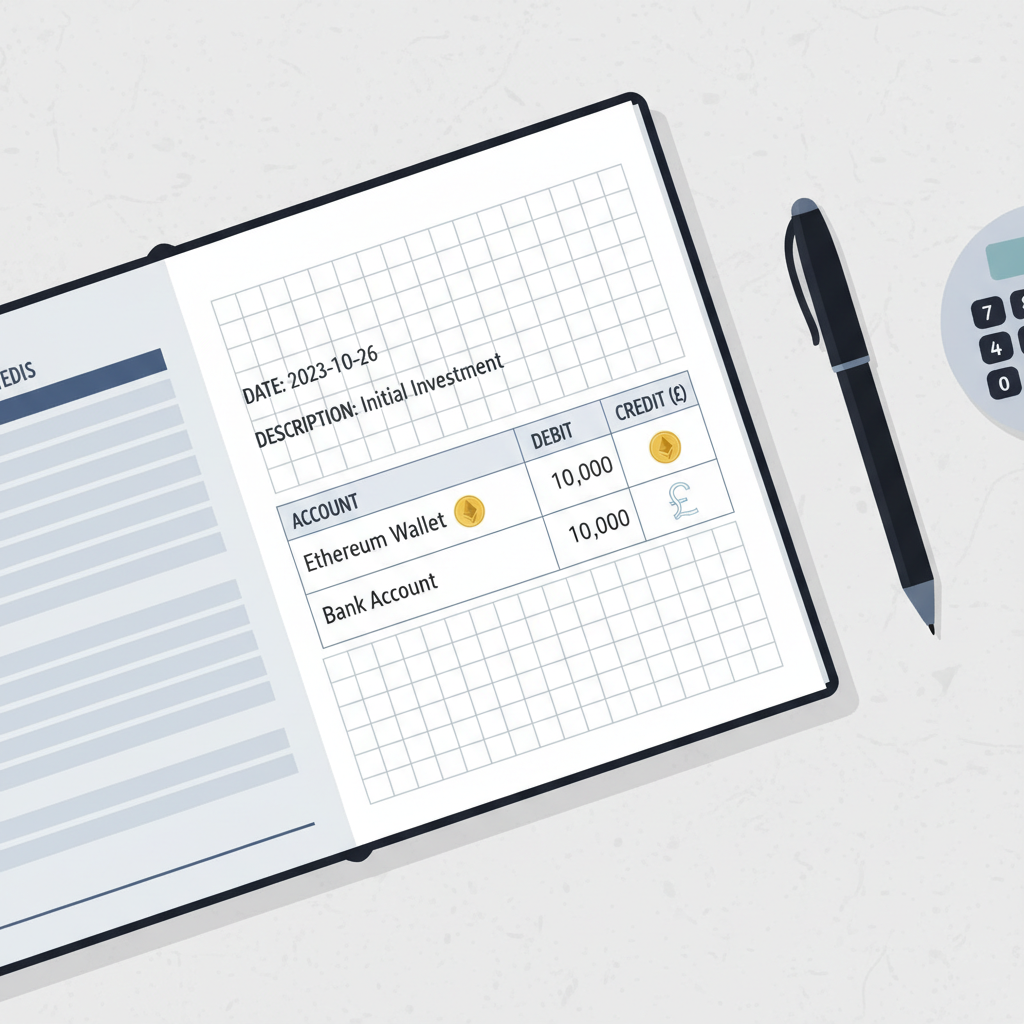


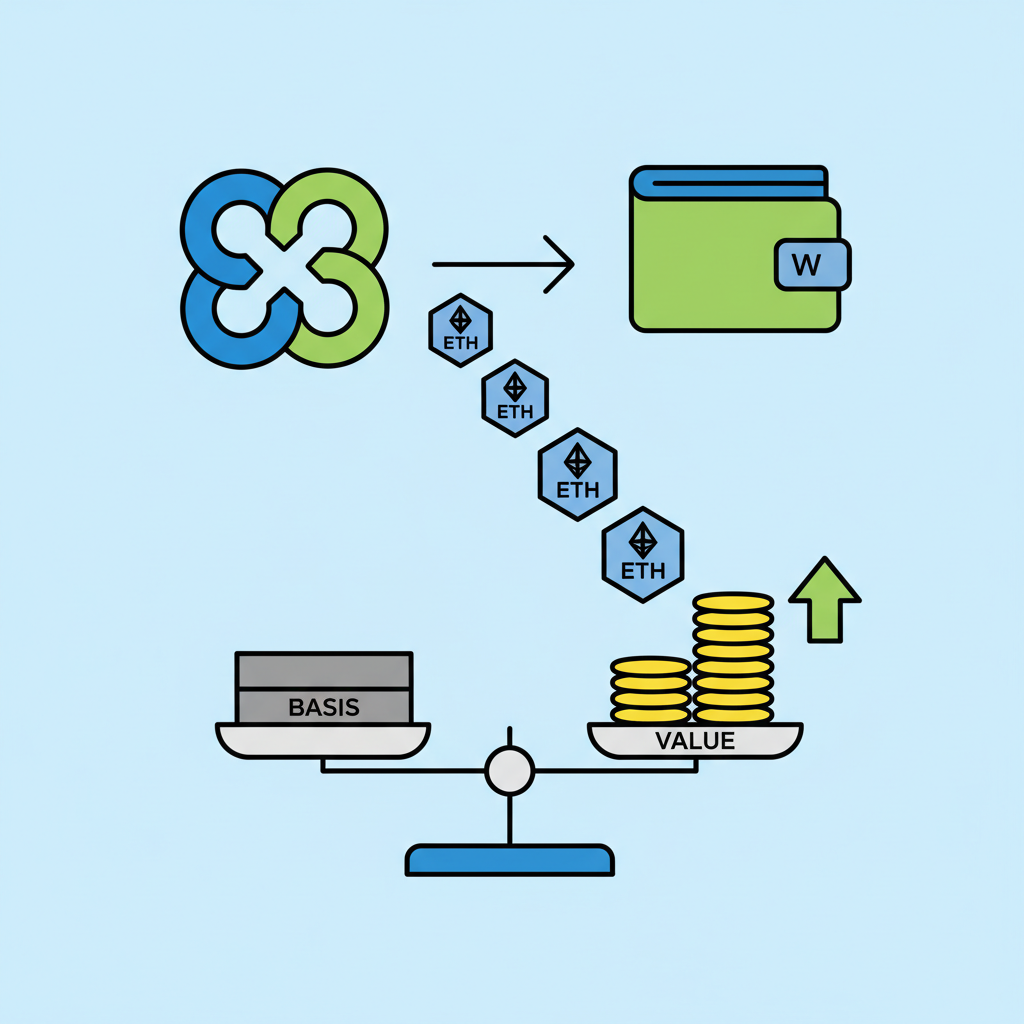
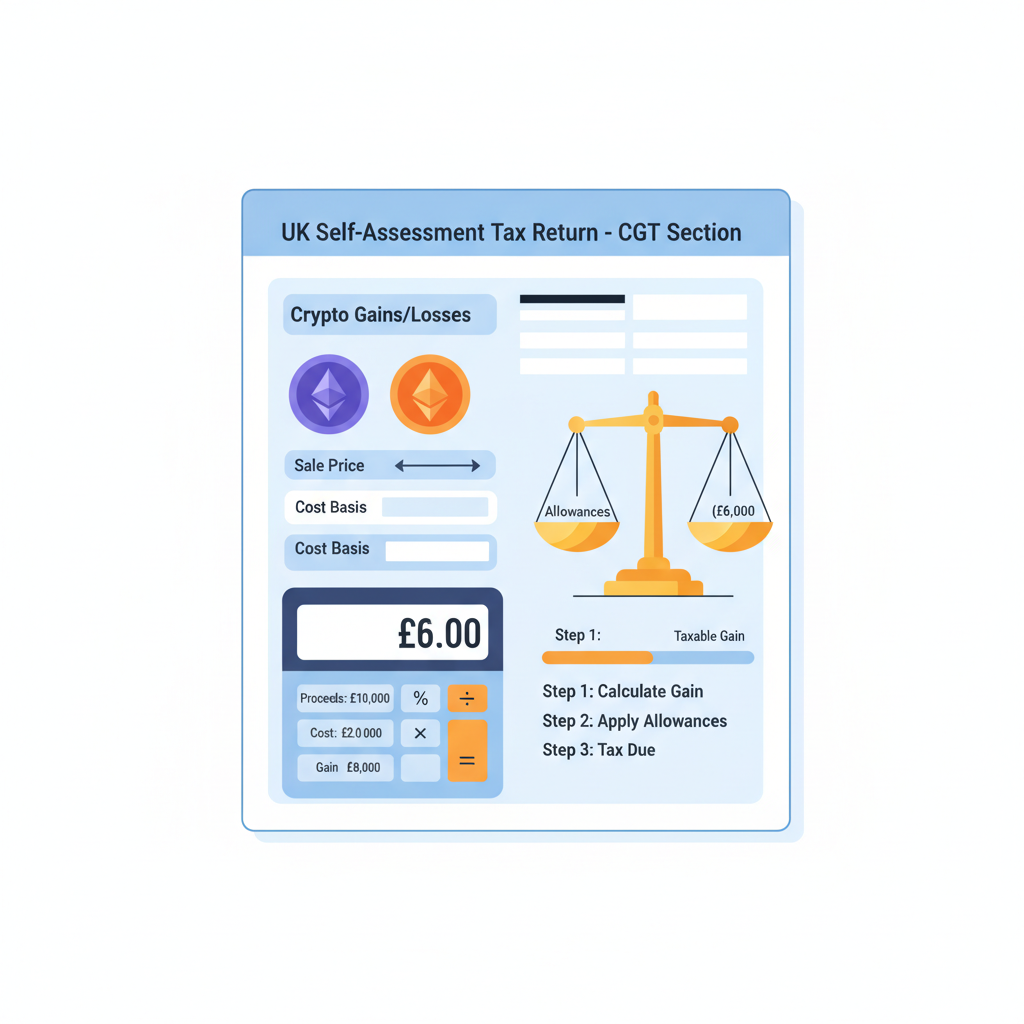
Armed with this framework, model your positions. Suppose you lend 10,000 USDC at $1 cost basis into Compound. Pre-NGNL, any appreciation taxed upfront; now, wait for redemption. Withdraw at $1.05 equivalent; $500 gain taxed at your CGT rate, post £3,000 annual exemption. Staking Solana on Marinade? Rewards taxed yearly, principal rolls over. Tools shine here: platforms mimicking NFT Tax Pro’s real-time FIFO/HIFO crunch DeFi histories across EVM chains, flagging reportable events amid volatility.
This proposal’s elegance lies in simplicity, yet pitfalls lurk. What of flash loans or leveraged yields? HMRC’s consultations sidestep these, likely retaining disposal status for complex maneuvers. Industry voices from CoinDesk applaud the burden cut, but Andersen LLP warns of lingering dry charges sans legislation. For 2026 filings, covering 2025/26 tax year, monitor Finance Bill enactments; Autumn Budget signals momentum, yet delays plague crypto policy.
UK DeFi Tax 2026 Outlook: Reporting, Compliance, and Strategy Shifts
Come 2026, OECD-aligned reporting ramps up. Practical Law outlines HMRC mandates for UK crypto providers to furnish user data, mirroring CARF frameworks. Expect Form SA108 updates with DeFi-specific fields, demanding chain explorers or API-fed calculators for proof. My conservative lens spots opportunity: NGNL favors HODLers chaining yields tax-free until exit, amplifying compounding in a post-halving bull. Short-term flippers? Less mercy, as disposals snap back taxes.
Strategy recalibrates accordingly. Prioritize stablecoin pools minimizing impermanent loss; layer staking atop lending for dual deferral-income plays. Diversify custodians to hedge smart contract risks, all while logging via Etherscan exports. From 18 years dissecting regs, this NGNL pivot echoes MiFID clarity boosting EU volumes; UK DeFi could swell 30-50% sans tax friction, per Deloitte inferences.
Traders, audit now. For 2024/25 returns due January 31,2026, classify every pool entry per TCGA 1992 s.128; NGNL won’t retroapply. Migrate to compliant wallets, simulate via staking rewards tax UK calculators. The big picture? Regulatory thaw unlocks DeFi’s trillion-pound potential, rewarding patient capital over speculative froth. Stay vigilant, basis-track meticulously, and let yields accrue unburdened.