

UK DeFi No Gain No Loss Tax Rule 2026: Calculating Liquidity Pool and Lending Taxes with FIFO HIFO

As DeFi protocols proliferate across blockchains like Ethereum and Solana, UK traders face mounting complexity in reporting taxes on liquidity provision and lending activities. The proposed ‘no gain, no loss’ (NGNL) rule for 2026 promises to simplify this landscape by deferring Capital Gains Tax (CGT) until actual economic disposals occur, rather than taxing routine deposits into pools or lending platforms. Drawing from HMRC’s ongoing consultations, this shift aligns taxation more closely with the non-disposal nature of many DeFi interactions, potentially easing the administrative burden that currently plagues yield farmers and liquidity providers.

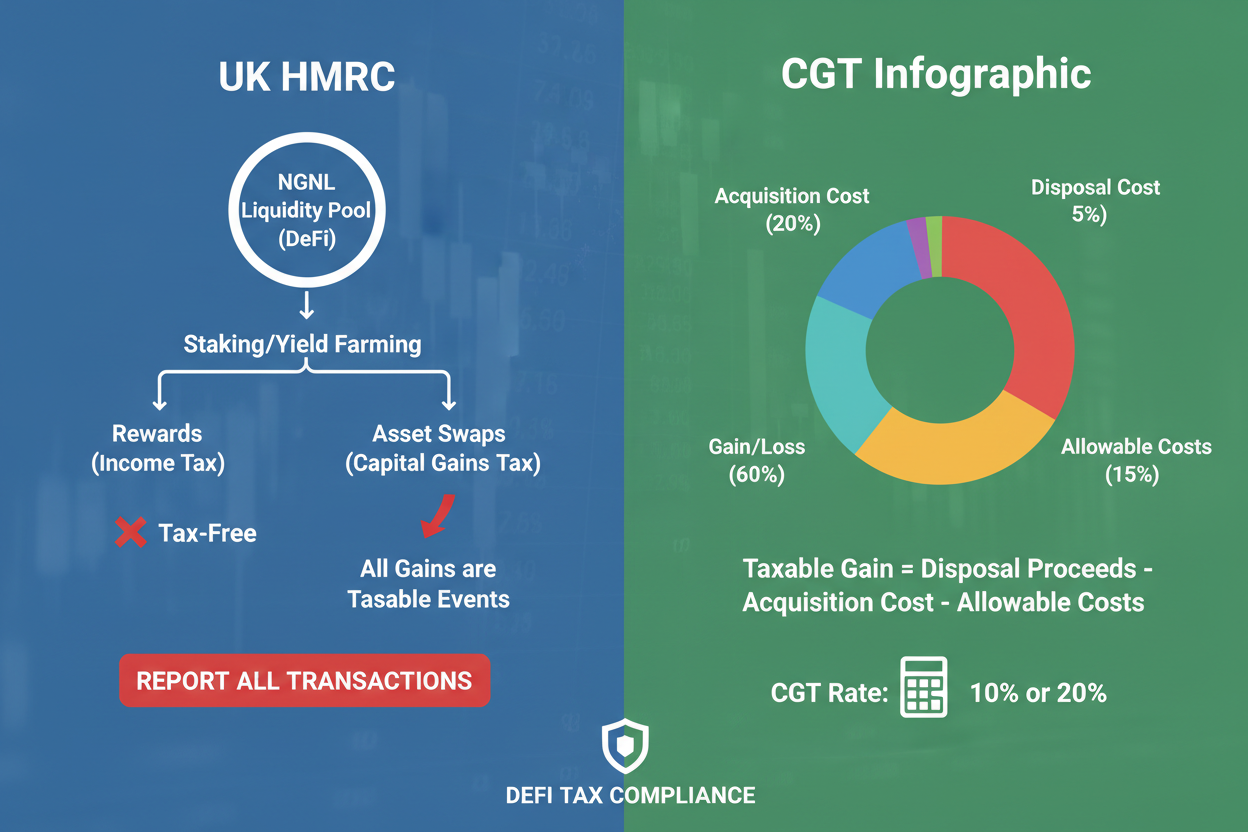
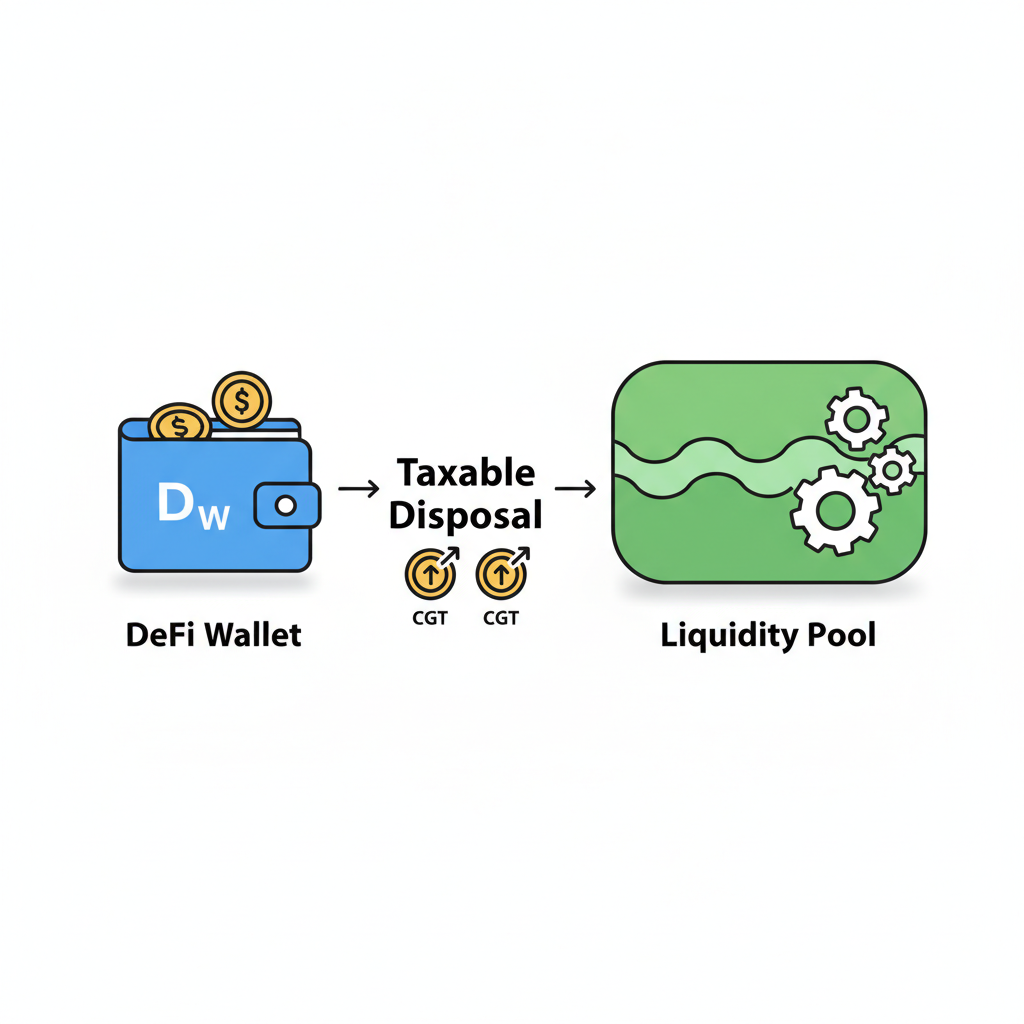
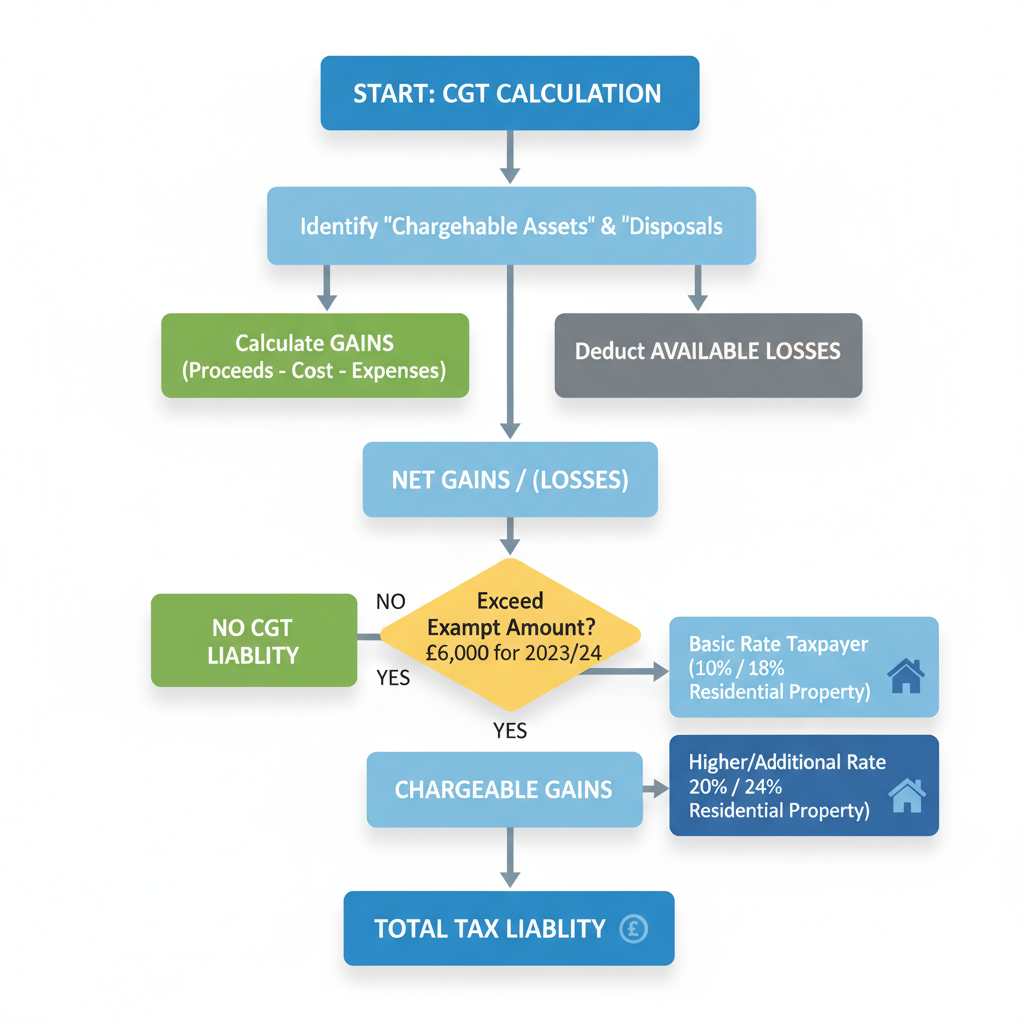
Under existing HMRC guidance, depositing tokens into a liquidity pool or lending protocol often qualifies as a disposal, triggering CGT calculations based on the difference between acquisition cost and market value at deposit. This treats your ETH or stablecoins as sold and repurchased, even though you retain beneficial interest and receive LP tokens or interest-bearing positions in return. Staking rewards or lending yields may then face Income Tax as miscellaneous income, complicating cost basis tracking across multiple tax lots.
Deciphering HMRC’s NGNL Proposal for DeFi Activities
HMRC’s consultation documents outline NGNL as a targeted relief, applying to ‘routine’ DeFi moves like adding liquidity to automated market makers (AMMs) or supplying assets to lending markets on platforms such as Aave or Uniswap. The core principle: no CGT on deposit if there’s no change in beneficial ownership or economic risk transfer. Instead, your original cost basis carries over to the returned assets or LP tokens, with tax deferred until you withdraw and sell, or impermanent loss crystallizes into a realized event.
This isn’t a free pass; exclusions apply to leveraged positions, wrapped tokens with yield, or any setup resembling a disposal under TCGA 1992 principles. Industry feedback, including from DeFi tax platforms, emphasizes that NGNL would cover stablecoin pools and single-sided staking but not exotic derivatives. As a CPA who’s audited dozens of DeFi portfolios, I view this as pragmatic evolution: current rules distort incentives, pushing traders toward centralized exchanges despite DeFi’s superior yields.
Navigating Liquidity Pool Taxes: Impermanent Loss and Cost Basis Continuity
Liquidity pools exemplify DeFi’s tax pitfalls. Provide 50/50 ETH/USDC to Uniswap V3, receive LP tokens, and under today’s rules, you’ve disposed of both assets at pool-entry prices. Withdraw later amid price divergence, and impermanent loss hits as a separate gain/loss calculation. NGNL flips this: deposits become non-events, with aggregated cost basis allocated pro-rata upon withdrawal based on pool composition at exit.
Consider a practical scenario. You deposit 1 ETH at £2,000 acquisition cost and £3,000 market value into a pool. Current tax: £1,000 CGT liability immediately. NGNL: zero tax now; on withdrawal of 0.95 ETH (due to IL) worth £3,500 total, compute gain on the ETH portion using carried-over basis. This defers tax to when volatility actually impacts your wealth, fostering long-term participation in UK DeFi tax 2026 compliant strategies.
| Tax Event | Current Rules | NGNL Proposal |
|---|---|---|
| LP Deposit | CGT on full market value gain | No gain/no loss; basis carries over |
| LP Withdrawal | CGT on LP token disposal and IL adjustment | CGT only on net economic gain/loss |
| Impermanent Loss | Realized on withdrawal | Integrated into final disposal calc |
Lending Protocol Taxes: From Yield to Disposal Under FIFO and HIFO
Lending crypto like USDT on Compound triggers similar issues: deposit as disposal, interest as income, withdrawal as another disposal. NGNL would neutralize the deposit/withdrawal loop for non-leveraged, single-collateral lends, taxing only yields as income and final sales as CGT. Until enactment, precision in methods like FIFO (First In, First Out) or HIFO (Highest In, First Out) remains crucial for minimizing taxable events.
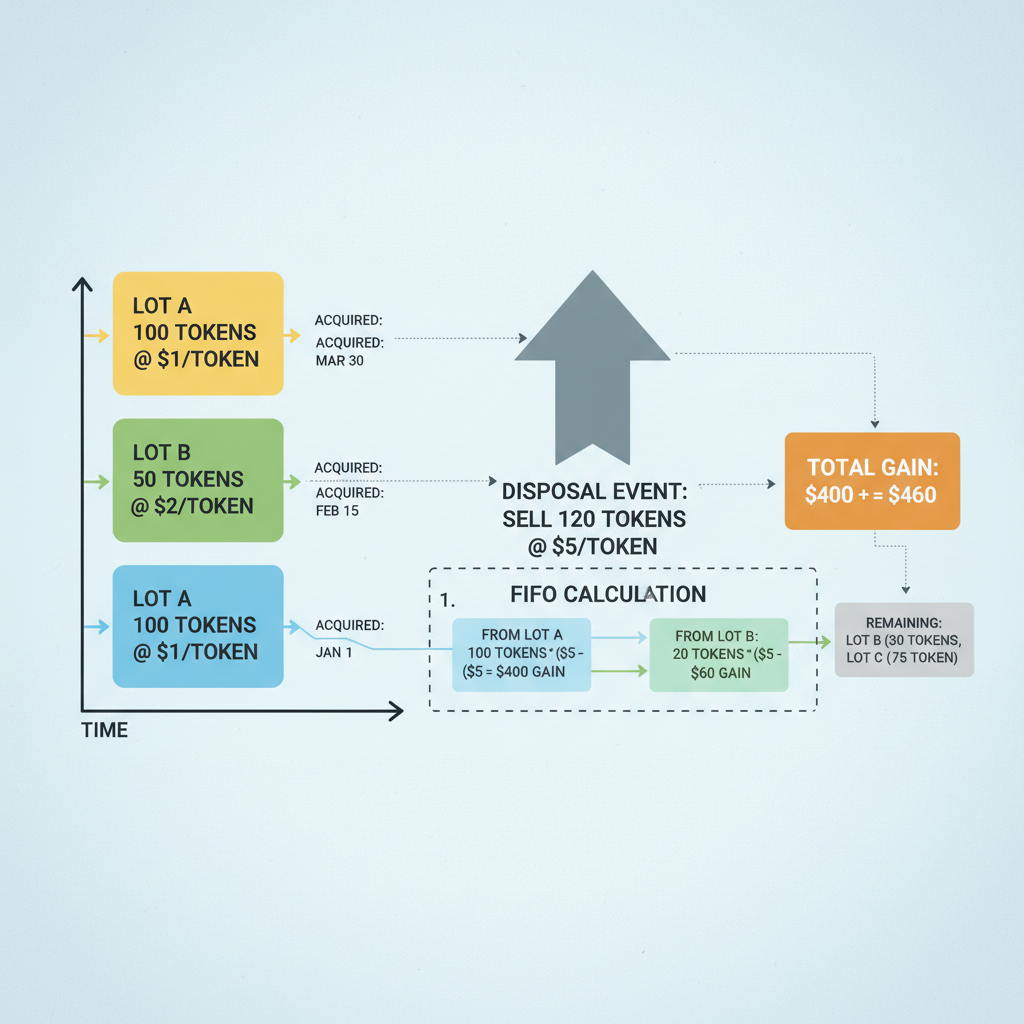
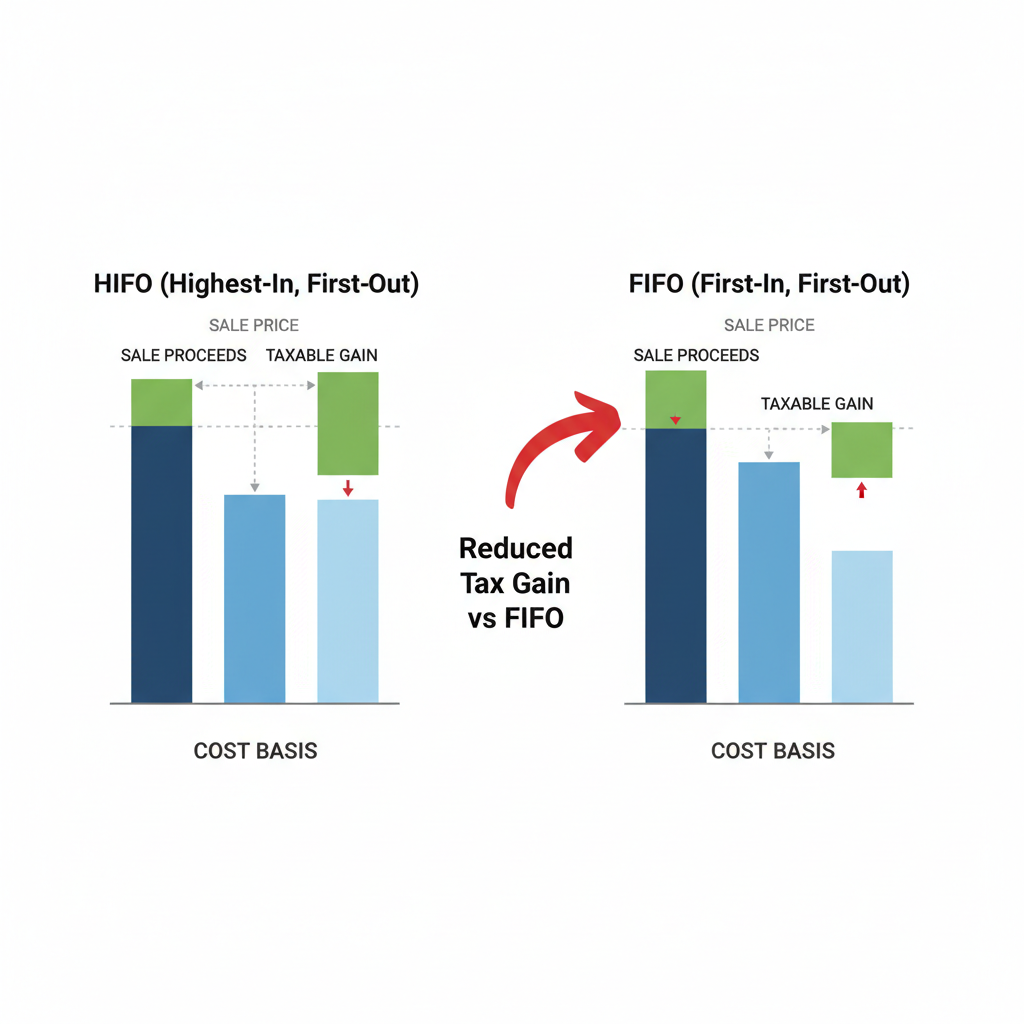
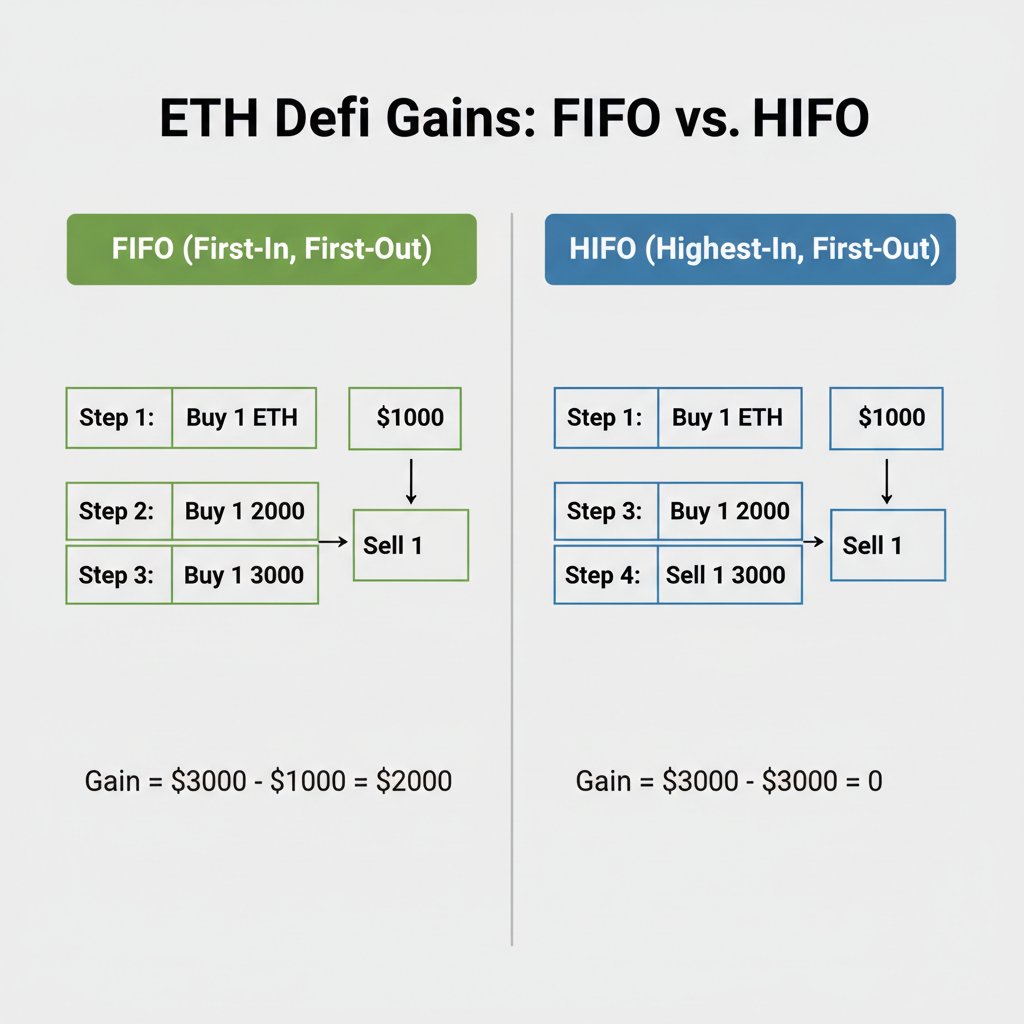
FIFO assumes earliest-acquired tokens dispose first, ideal for rising markets but punishing in HODL scenarios. HIFO, conversely, sells highest-cost lots first, slashing short-term gains; I’ve seen clients reduce liabilities by 30% via HIFO on layered DeFi entries. Tools tracking on-chain PnL become indispensable, especially as HMRC eyes FIFO as default post-2025 crypto reforms. For liquidity pools, match LP token disposals to underlying asset lots using specific identification where possible, preserving basis integrity amid swaps and fees.
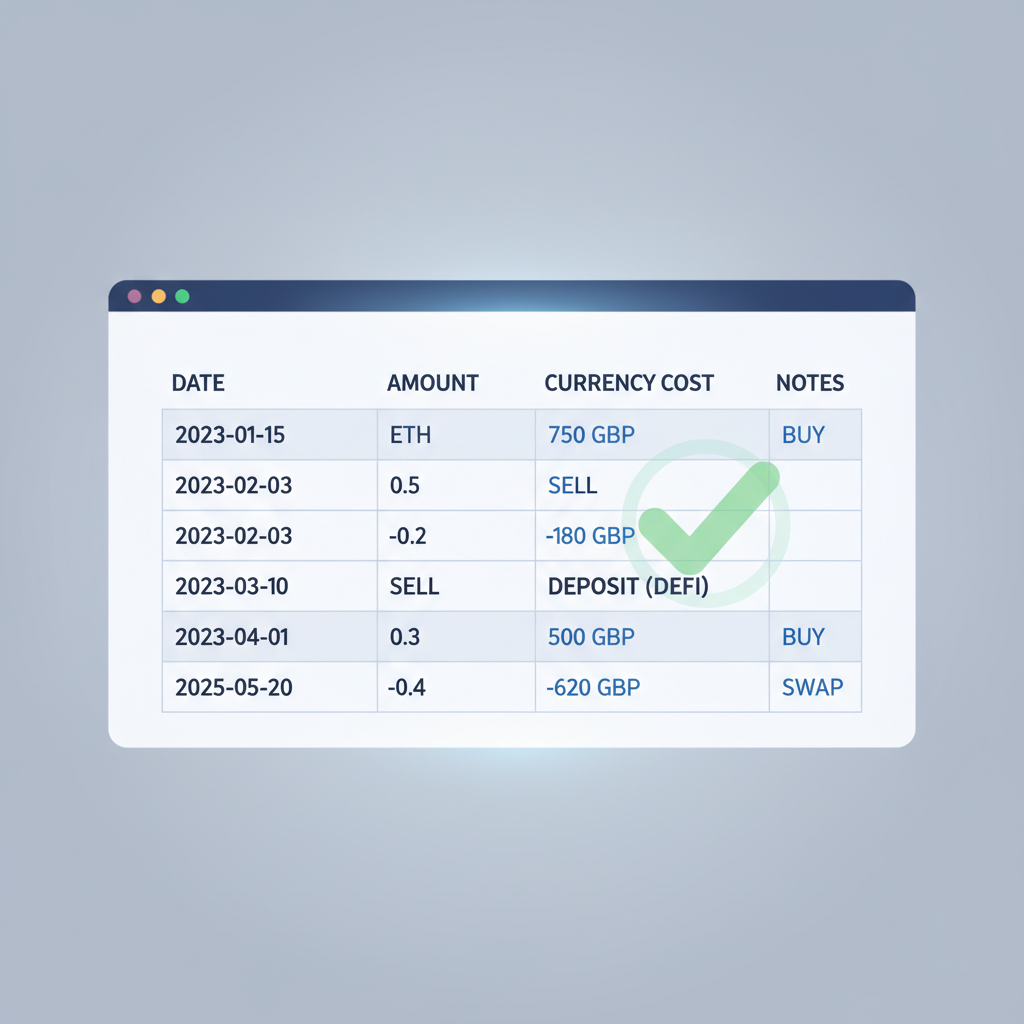
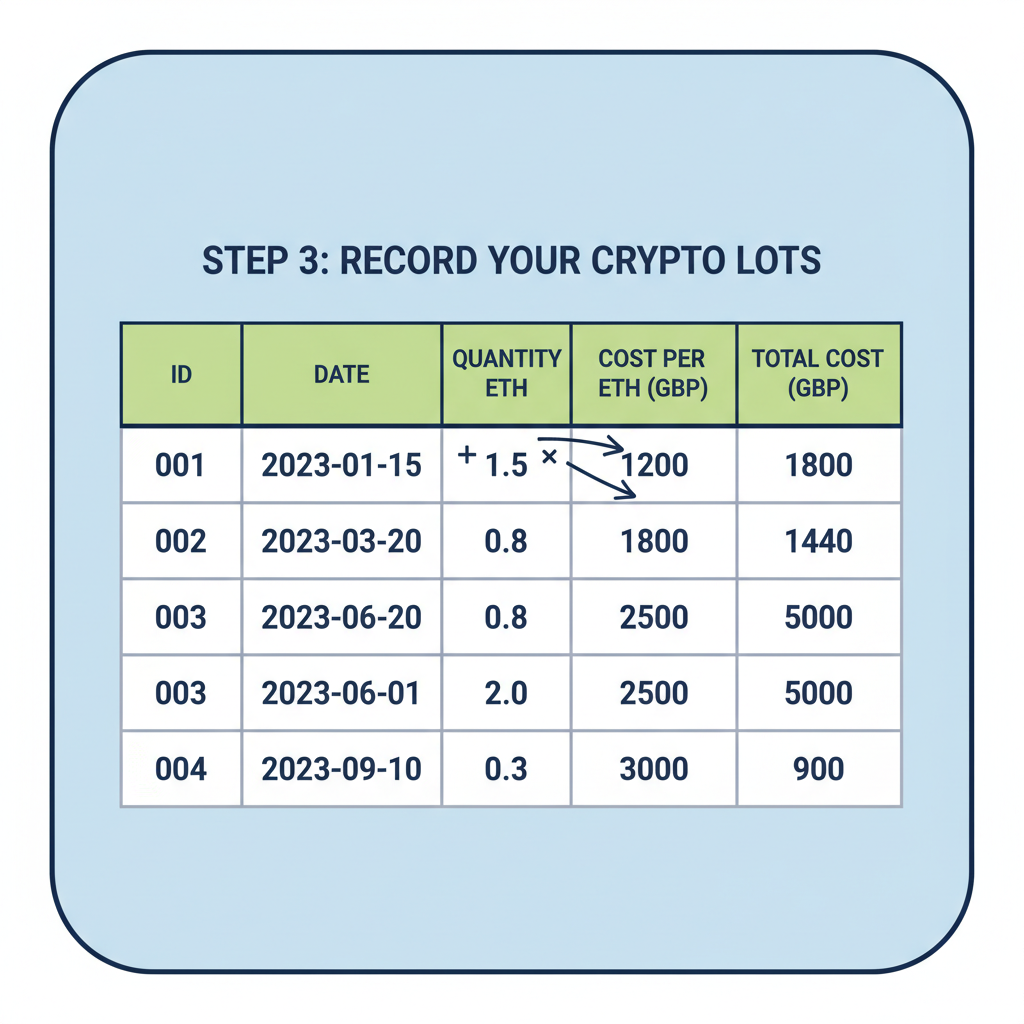
Yet even with NGNL on the horizon, mastering cost basis methods today sharpens your edge. Picture supplying 10,000 USDC bought in tranches: 5,000 at £0.80, 3,000 at £0.85, and 2,000 at £0.90. Lending it out and withdrawing after yields accrue demands precise lot matching. FIFO depletes the oldest £0.80 batch first, maximizing gains if prices climb; HIFO prioritizes the £0.90 lots, ideal for tax minimization when withdrawing amid dips. LIFO, though less common, suits layered entries in volatile crypto lending tax UK scenarios.
Step-by-Step DeFi Tax Calculation: FIFO & HIFO for Liquidity Pools and Lending Under Current HMRC Rules
FIFO vs HIFO vs LIFO: Picking the Right Method for DeFi Tax Lots
HMRC permits specific identification, FIFO, or average cost for crypto disposals, but DeFi’s on-chain complexity favors FIFO and HIFO for audit-proofing. FIFO, soon the 2025 default per industry signals, mirrors inventory accounting: your earliest ETH deposit exits the pool first on withdrawal, capturing long-held appreciation. It’s straightforward but inflexible in bull runs, where HIFO excels by offloading peak-cost tokens, often halving CGT bills for yield farmers stacking positions.
In my practice, HIFO shines for liquidity providers juggling impermanent loss; pair it with software parsing LP token burns against underlying lots. LIFO reverses FIFO, beneficial if recent buys dominate during downturns, but risks HMRC scrutiny without transaction hashes proving intent. For FIFO HIFO LIFO DeFi calculator needs, prioritize tools integrating wallet scans with TCGA-compliant reporting, as manual spreadsheets crumble under multi-protocol farming.
| Method | Best For | DeFi Example Impact (10 ETH lots: costs £2k-£4k) | CGT on £5k withdrawal gain |
|---|---|---|---|
| FIFO | Rising markets, simplicity | Disposes oldest £2k ETH first | £3k taxable gain |
| HIFO | Tax minimization, volatility | Disposes newest £4k ETH first | £1k taxable gain |
| LIFO | Recent high-cost entries | Disposes latest £4k ETH first | £1k taxable gain |
NGNL would streamline this by preserving unbroken chains from deposit to disposal, but until legislated, document your chosen method consistently per tax year. I’ve advised clients to elect HIFO via ledger notations, backed by Etherscan proofs, slashing audits from months to days.
Preparing Your DeFi Portfolio: Record-Keeping and Tools for UK HMRC DeFi rules
Whether farming on Curve or lending on Euler, granular tracking defines compliance. Export wallet histories from DeFiLlama or Zapper, timestamp every deposit/withdrawal, and tag yields separately for Income Tax at 20-45% rates. Impermanent loss demands pro-rata basis splits: if ETH drops 10% against USDC in your pool, allocate loss proportionally upon exit, not arbitrarily.
Anticipating 2026’s NGNL rollout, stress-test portfolios under both regimes. Current disposals inflate allowable losses for offset, a silver lining absent in deferral. Stablecoin pools sidestep much drama, but volatile pairs amplify HIFO’s value. As protocols evolve with account abstraction, expect HMRC to refine NGNL scopes, potentially excluding flash loans or perps.
Stakeholders cheer the proposal’s pragmatism, yet caution lingers: without enactment, treat every LP mint or lend as disposal. Platforms like ours at NFT Tax Pro already simulate NGNL previews alongside FIFO/HIFO, empowering users to model DeFi liquidity pool taxes UK outcomes in real-time. Proactive planning, not reaction, fortifies your position as rules crystallize.
Rigorous documentation and method discipline position DeFi enthusiasts to thrive under whatever final shape no gain no loss DeFi takes, turning regulatory flux into optimized returns.