

As DeFi matures in the UK, the upcoming 2026 tax rules bring welcome clarity for liquidity providers on platforms like Uniswap and Aave. Imagine depositing tokens into a pool without triggering immediate capital gains tax; that's the promise of the no gain no loss (NGNL) treatment. This shift, proposed by HMRC, recognizes that lending or adding liquidity often doesn't equate to a true disposal, deferring taxes until you actually cash out gains. For years, I've advised clients navigating these waters, and this feels like a thoughtful step toward aligning tax policy with DeFi's economic reality.

HMRC's consultation outcomes, detailed in recent GOV. UK updates, target arrangements where beneficial ownership doesn't fully transfer. Under current CRYPTO60000 and guidance, wrapping tokens or staking could spark a taxable event. But come 2026, UK DeFi tax for these activities flips the script. Deposits into automated market makers or lending protocols escape CGT scrutiny upfront. This isn't a free pass; it's a deferral, ensuring you pay on realized profits later, potentially at better rates if markets dip.
Breaking Down the No Gain No Loss Framework for Liquidity Pools
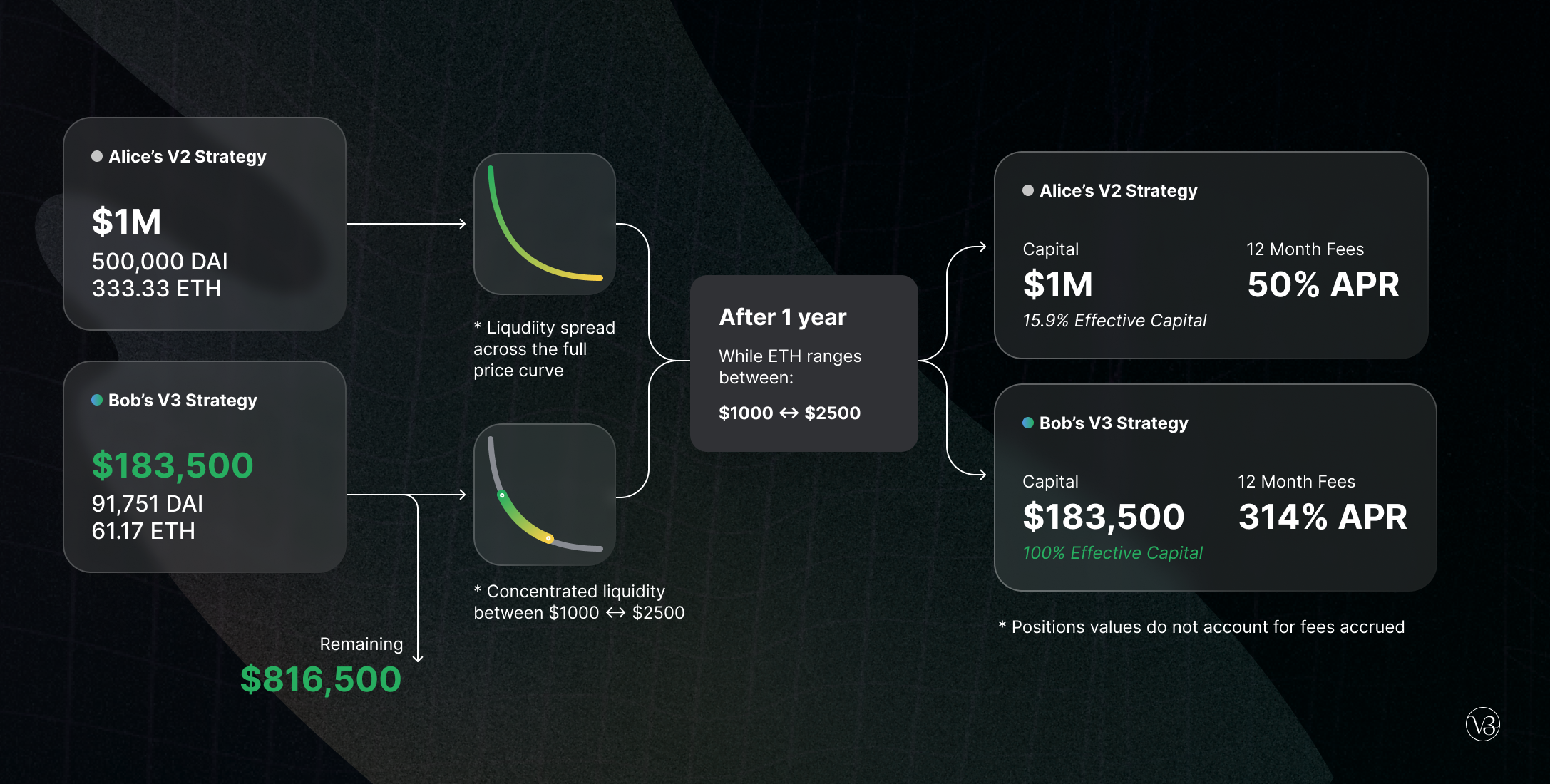
The NGNL rule shines brightest in Uniswap liquidity pool taxes and Aave lending. Picture supplying ETH-USDC to Uniswap V3: previously, HMRC might view this as disposing your original tokens for LP tokens, calculating gains on the spot. Now, no such event occurs. Your cost basis carries over intact until you withdraw or sell those LP positions. This defers tax, letting compounding work uninterrupted. I've seen investors harvest losses elsewhere while pools accrue fees tax-free in the interim; it's a strategist’s dream.
For Aave, borrowing against collateral follows suit. Supplying assets as collateral? NGNL applies, no immediate CGT. Repayments and interest? Tracked separately, but the core pool interaction stays neutral. This matters amid volatility; why pay tax on paper gains from a pool entry when you might withdraw at a loss? HMRC's aim, as echoed in CoinDesk and Yahoo Finance reports, is practical compliance, cutting paperwork for everyday DeFi users.
Benefits of NGNL for UK DeFi
- Deferred CGT on Deposits: No immediate capital gains tax when providing liquidity to established protocols like Uniswap or Aave, offering reassurance for users.
- Simplified Reporting for Uniswap/Aave: Fewer disposals to track and report, easing compliance for DeFi participants.

- Preserved Cost Basis Carryover: Original acquisition costs carry forward until a true economic disposal, maintaining accuracy.
- Reduced Admin Burden: Less paperwork and calculations for lending or liquidity provision, saving time and effort.

- Better Alignment with Economic Reality: Taxes deferred until actual gains are realized, thoughtfully matching DeFi's nature.

How NGNL Interacts with FIFO and HIFO in DeFi Calculations
While NGNL handles the timing, calculating eventual gains demands precision on methods like FIFO HIFO DeFi UK. FIFO assumes first tokens in are first out, straightforward for long-term holders but often suboptimal in choppy markets. HIFO, selling highest-cost basis first, minimizes reportable gains; ideal if you've accumulated at peaks. Neither is mandated yet, but HMRC nods to flexibility under general CGT rules.
Take a Uniswap pool: you add ETH bought at varying prices. Under NGNL, no tax on entry. When withdrawing LP tokens and unwrapping, apply your chosen method to match incoming tokens against originals. Tools like Aave tax calculator UK or DeFi-specific trackers become essential here. I've run scenarios where HIFO slashes liabilities by 20-30% versus FIFO, especially post-rallies. But documentation is key; HMRC wants pools' fee accruals treated as income, separate from principal.

Navigating Crypto Lending Tax UK Under the New Regime
Crypto lending tax UK via Aave gets a lifeline too. Lending tokens? NGNL defers CGT until redemption. Interest earned counts as miscellaneous income, taxed at your rate. This bifurcation rewards patient providers: principal safe from disposal tax, yields flowing steadily. Contrast with pre-2026, where lending might force gain calculations mid-stream, complicating returns.
Yet, the real game-changer lies in blending NGNL with smart cost basis tracking. Platforms generating DeFi tax tools 2026-ready reports will thrive, pulling data from wallets and protocols to match entries and exits seamlessly.
Practical Example: FIFO vs HIFO Under NGNL for Uniswap Pools
Let's ground this in numbers. Suppose you supply 1 ETH to a Uniswap ETH-USDC pool on January 1,2026. You bought that ETH in three tranches: 0.4 ETH at £2,000, 0.3 at £2,500, and 0.3 at £3,000. Under NGNL, no CGT on deposit. Fast-forward to December: you withdraw equivalent value plus fees. Now, calculate the gain on redemption.
FIFO pairs the withdrawn ETH with your earliest buys first. So, 0.4 ETH at £2,000 cost basis, then 0.3 at £2,500, leaving 0.3 at £3,000. If ETH exits at £3,500 average, FIFO yields higher taxable gain on lower-basis lots. HIFO flips it: match against the £3,000 buy first, minimizing the spread. In my practice, HIFO often preserves more capital for reinvestment, especially in bull runs where high-cost lots dominate. But choose wisely; consistency across your portfolio avoids HMRC queries.
FIFO vs HIFO Comparison for Uniswap ETH Pool Withdrawal (Exit Value: £3,500)
| Method | Cost Basis Matched | Exit Value £3,500 | Taxable Gain |
|---|---|---|---|
| FIFO | £2,000 (earliest buy from £2,000/£2,500/£3,000 purchases) | £3,500 | £1,500 |
| HIFO | £3,000 (highest cost buy from £2,000/£2,500/£3,000 purchases) | £3,500 | £500 |
This table underscores why FIFO HIFO DeFi UK choice matters post-NGNL. Fees from pools? Treat as income annually, but principal deferral lets you optimize. Aave mirrors this: lend DAI, earn interest taxed yearly, redeem principal tax-neutral until sale.
Compliance Essentials and Tools for 2026 DeFi Taxes
From January 1,2026, UK exchanges must report detailed transactions to HMRC, ramping up transparency. Liquidity from Uniswap or Aave? You'll need robust tracking. I've guided dozens through this, stressing wallet exports synced with pool data. Look for Aave tax calculator UK integrated with NGNL logic; they auto-defer disposals, flagging income streams. Export CSV for Self Assessment by January 31 following the tax year. Miss it, and penalties loom, but proactive tools keep you ahead.
Tax-loss harvesting pairs beautifully here. Offset DeFi gains against losses from elsewhere, all while NGNL shields pools. My advice: document everything, from pool IDs to timestamps. HMRC's focus on beneficial ownership means wrapped assets or flash loans stay nuanced, but core lending and LP provision simplifies hugely.
Over seven years counseling crypto steadfasts, I've witnessed policy evolve from rigid to responsive. This NGNL pivot respects DeFi's nuances, letting you focus on yields over yields of paperwork. Stay methodical with your records, lean on precise calculators, and those deferred gains can compound into real security. Patience, as always, pays dividends; now taxes pay closer attention to reality.




No comments yet. Be the first to share your thoughts!