
Understand the 2026 IRS reporting changes
The 2026 tax season introduces Form 1099-DA, requiring digital asset brokers to report transaction details directly to the IRS. This shift closes the gap between government data and your personal filings, making accurate record-keeping essential for NFT collectors and traders.
NFTs are taxable property
The IRS classifies NFTs as property, not currency. This means every transaction that disposes of an NFT is reportable. Selling an NFT for fiat, trading it for another cryptocurrency, or swapping it for a different NFT are all reportable actions. You must calculate the gain or loss for each individual transaction based on the difference between your cost basis and the fair market value at the time of the trade.
Broker reporting requirements
Starting with the 2026 filing season, digital asset brokers must file Form 1099-DA to report gross proceeds and adjusted cost basis for "covered" assets. This includes centralized exchanges and certain decentralized platforms that meet the broker definition. The goal is to ensure the IRS receives the same data you use to calculate your taxes, reducing the chance of discrepancies during an audit.
While the 2025 season introduced initial reporting for gross proceeds, 2026 expands this to include cost basis data for covered transactions. This distinction is critical: "covered" transactions are those where the broker has your cost basis information. "Uncovered" transactions, often associated with self-custody wallets or platforms that do not track cost, may still require you to provide this data manually on your tax return.
What you need to do
Even with automated reporting, you are responsible for ensuring your tax return is accurate. If you traded NFTs on platforms that did not issue a 1099-DA, you must track your own cost basis. This includes keeping records of purchase dates, prices, and any fees paid. Discrepancies between your records and the IRS's data can lead to audits or penalties, so thorough documentation is essential.
The IRS has emphasized that ignorance of these rules is not a valid defense. As the digital asset market matures, enforcement is becoming more sophisticated. Stay informed by referring to official IRS guidance and consulting with a tax professional who specializes in digital assets to ensure compliance with the new reporting standards.
Gather your transaction history
Start by aggregating data from every platform where you interacted with digital assets. The 2026 filing season is complex, with experts describing it as a "minefield" for investors who haven't organized their records early [1]. Because the IRS treats NFTs as property, every sale, trade, or receipt of an NFT must be reported, even if the transaction occurred on a decentralized exchange that sent you no tax forms.
Export data from centralized exchanges
Log in to every centralized exchange you used, such as Coinbase, Binance, or Kraken. Navigate to the tax or reports section of each platform. Download your full transaction history as a CSV or JSON file. Ensure you select the option that includes all activity, not just taxable events. This single file will capture trades where you swapped ETH for an NFT or sold an NFT for stablecoins.
Connect self-custody wallets
Data from self-custody wallets like MetaMask or Ledger does not automatically reach the IRS. You must manually import this data into your tax software. Use a wallet address importer to scan your public addresses on Ethereum, Solana, or other supported blockchains. This step captures minting, transfers, and peer-to-peer trades that exchanges never reported. Without this data, you risk underreporting your income or failing to account for cost basis on NFTs you purchased directly.
Verify and reconcile
Once all data is imported, run a reconciliation report. Look for gaps in your timeline or duplicate entries. Verify that the USD value at the time of each transaction matches the market price on that specific date. Incomplete records can lead to audits or inflated tax liabilities if the IRS assumes the highest possible value for unreported gains [2].
Download full transaction CSVs from all centralized exchanges. Include all activity, not just trades.

Connect self-custody wallet addresses to your tax software to capture decentralized trades and mints.

Check for missing dates or duplicate entries. Ensure USD values match market rates on transaction dates.
Calculate cost basis and capital gains
The IRS treats NFTs as property, meaning every sale, trade, or swap is a reportable action. To file correctly, you must determine your cost basis and whether the gain is short-term or long-term. This distinction relies entirely on how long you held the asset before disposing of it.
Your cost basis is the total amount you paid to acquire the NFT. This includes the purchase price, any transaction fees paid on the marketplace, and gas fees paid to the blockchain network at the time of acquisition. When you sell the NFT, subtract this basis from the sale proceeds to find your capital gain or loss.
The holding period determines your tax rate. If you held the NFT for one year or less, the gain is short-term. The IRS taxes short-term gains as ordinary income, applying your standard federal income tax bracket, which ranges from 10% to 37% in 2026.
If you held the NFT for more than one year, the gain is long-term. Long-term capital gains rates are generally lower, typically 0%, 15%, or 20%, depending on your total taxable income. These preferential rates apply to most NFT transactions, provided you can prove the holding period.
| Gain Type | Holding Period | Tax Rate | Tax Bracket |
|---|---|---|---|
| Short-Term | 1 year or less | 10–37% | Ordinary income |
| Long-Term | More than 1 year | 0–20% | Capital gains |
Record keeping is critical. If you cannot prove the acquisition date or the original cost, the IRS may disallow your basis, potentially taxing the entire sale price as profit. Keep detailed logs of all transactions, including wallet addresses, timestamps, and USD values at the time of each event.
Report transactions on Schedule D
Filing NFT taxes in 2026 requires translating blockchain activity into IRS Form 8949 before moving the totals to Schedule D. The 2026 filing season is widely considered a minefield because broker reporting requirements are now active, meaning the IRS will receive data that must match your personal filings exactly. If your numbers do not align with the information returns you receive, you will face automatic notices and potential audits.
Gather your transaction data
Before you open any tax software, you need a clean ledger of every NFT trade. This includes sales, swaps, and marketplace fees. Because 2026 marks the start of mandatory cost basis reporting for brokers, you must ensure your data includes the original purchase price for every asset. Use a crypto tax calculator or a spreadsheet to categorize each transaction as a short-term or long-term holding based on how long you owned the NFT.
Complete Form 8949
Form 8949 is where you list each NFT sale individually. You will need to enter the date acquired, date sold, proceeds, and cost basis for every transaction. If you held an NFT for more than one year, report it as a long-term capital gain or loss; otherwise, it is short-term. This step is tedious but necessary because Schedule D cannot be filed without the supporting details on Form 8949.
Transfer totals to Schedule D
Once Form 8949 is complete, sum the short-term and long-term gains or losses separately. Transfer these totals to Schedule D. The final figure from Schedule D is then carried over to your Form 1040. This is where your net crypto gain or loss affects your overall tax liability. Double-check that the totals match your Form 8949 exactly to avoid processing delays.
Collect all sales records, purchase receipts, and marketplace statements. Verify that every transaction includes the date, price, and fees paid. This raw data is the foundation of your Form 8949.
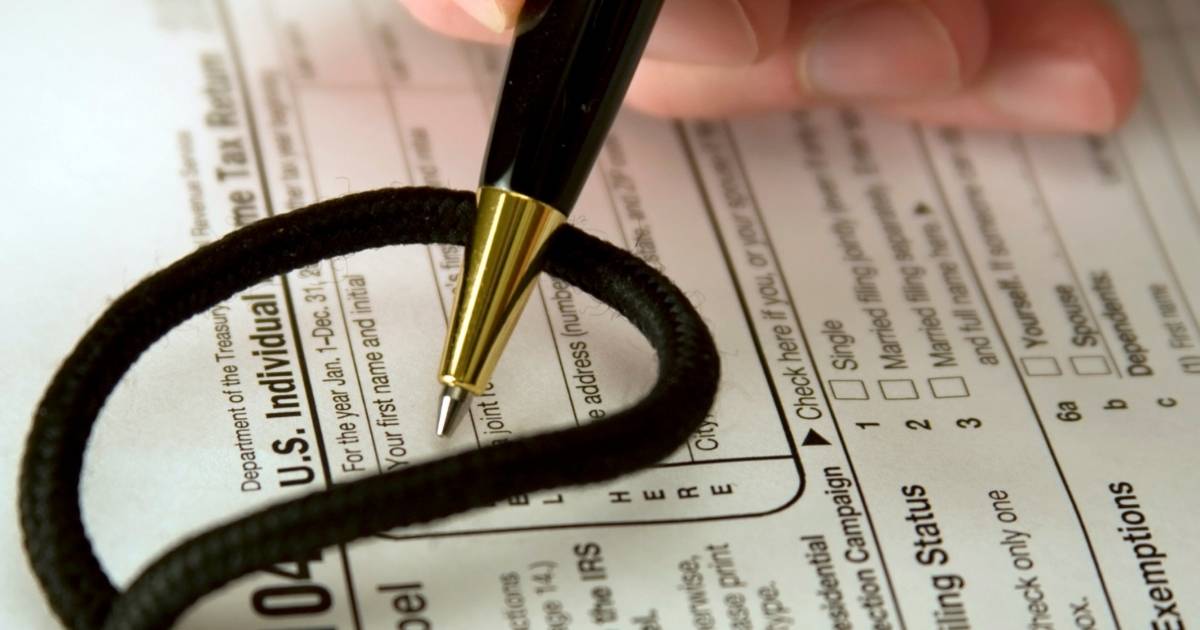
Enter each NFT sale on a separate line. Classify holdings as short-term (one year or less) or long-term (more than one year). Ensure the cost basis matches your purchase records.
Sum the gains and losses from Form 8949. Separate the totals into short-term and long-term categories. This calculation determines your final tax impact on Schedule D.

Transfer the net totals to Schedule D. Then, move the final figure to your Form 1040. Review all numbers against broker reports before filing.
Common NFT tax filing mistakes
Filing NFT taxes requires precision. The IRS treats digital assets as property, meaning every transaction is a reportable action. Most errors stem from incomplete data or misunderstanding specific asset types. Fix these three common pitfalls before you submit your return.
Ignoring airdrops and staking rewards
Receiving an NFT via an airdrop or earning it through staking is not free money. The IRS considers this ordinary income at the fair market value on the receipt date. If you skip reporting these events, your cost basis for future sales will be wrong, leading to inaccurate capital gains calculations. TokenTax confirms that any NFT received, sold, or gifted must be reported to avoid discrepancies during an audit [[src-serp-2]].
Failing to report wallet-to-wallet transfers
Moving an NFT from one wallet to another is not a taxable event, but it is a common source of confusion. Many filers mistakenly report these transfers as sales, creating phantom income. Conversely, failing to link your wallets can make it look like you "lost" assets, which complicates the audit trail. Ensure your tax software aggregates all wallet addresses to show the true ownership history.
Mixing up short-term and long-term rates
Holding period matters. If you dispose of an NFT after less than 12 months, profits are taxed as ordinary income, which can range from 10% to 37%. Longer holds qualify for lower capital gains rates. Misclassifying these can result in overpaying or underpaying the IRS. CoinLedger advises tracking the exact acquisition and disposal dates for every NFT to apply the correct tax bracket [[src-serp-4]].
No comments yet. Be the first to share your thoughts!