
Why 2026 changes NFT tax reporting
For years, many NFT collectors filed taxes based on gross proceeds—the total sale price—without accounting for what they originally paid. This approach often resulted in overpaying taxes because it ignored the initial acquisition cost. That changes fundamentally with the 2026 tax year.
Under the new IRS guidance, you must track the cost basis of your digital assets separately for each wallet or exchange. This means if you bought an NFT on OpenSea and later moved it to your personal wallet, you still need to know the original purchase price to calculate your true gain or loss when you sell.
The transition is not just administrative; it is financial. By requiring cost basis reporting, the IRS ensures that only the actual profit (sale price minus cost basis) is taxed, not the entire transaction value. For collectors who have held NFTs for years or traded frequently across multiple platforms, this means digging up old records or relying on exchange data that may have been incomplete until now.
Track cost basis for every wallet
The IRS now requires you to track the cost basis of digital assets separately for each wallet or exchange. This rule applies to NFTs and other digital collectibles. If you use multiple wallets, you must calculate the gain or loss for each one individually. You cannot combine all transactions into a single total.
This change affects anyone who trades, sells, or swaps NFTs. The IRS treats NFTs as property. You must report each transaction on your tax return. Failing to track cost basis per wallet can lead to errors and penalties. Follow these steps to get your data right.

Export your transaction history from every wallet you use. This includes your primary trading wallet and any secondary wallets for storage or specific projects. Use the export feature in your wallet interface or a blockchain explorer. Save these files in a dedicated folder for the 2026 tax year.
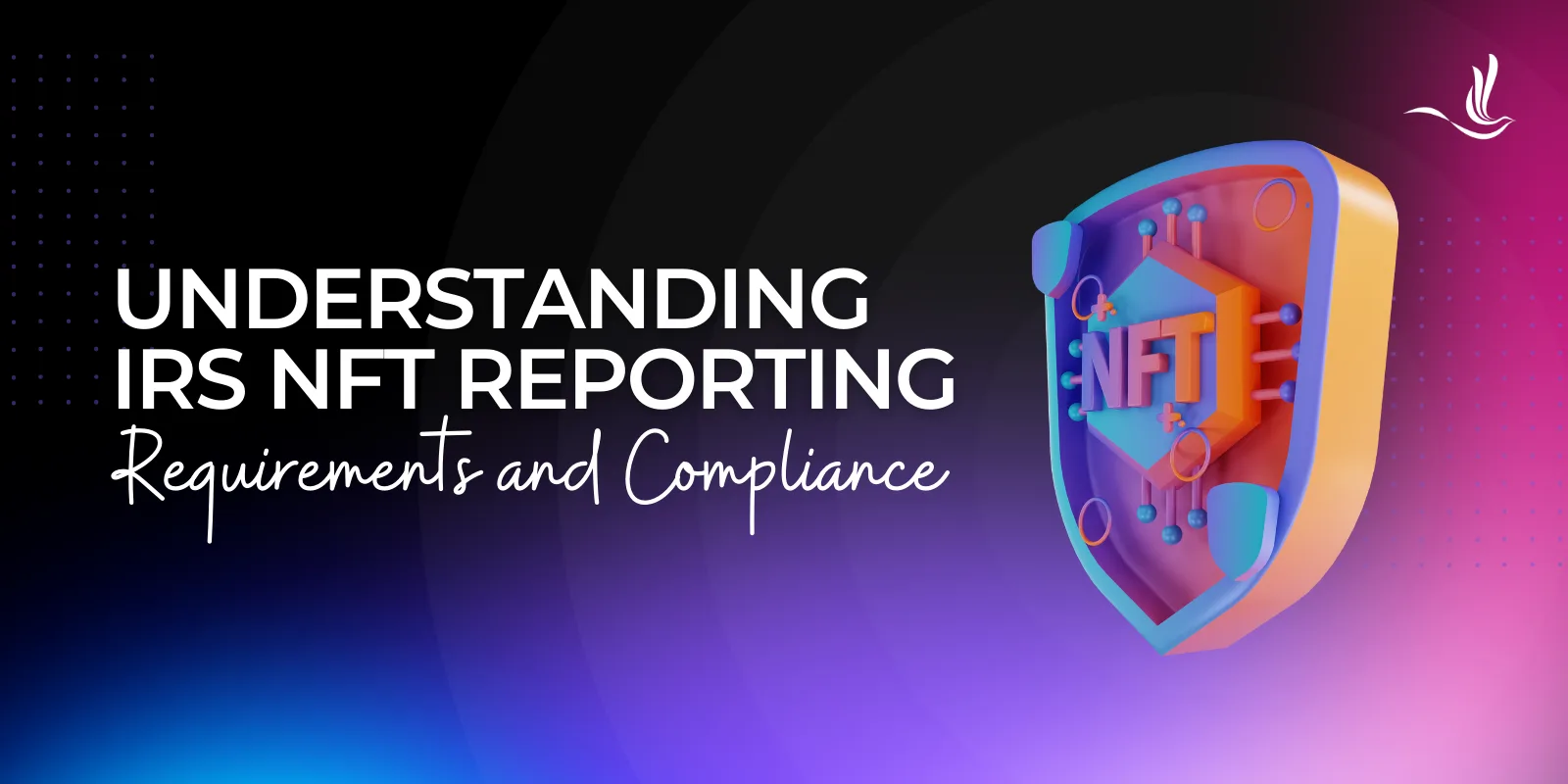
For each NFT, find the price you paid when you acquired it. This is your cost basis. If you minted the NFT, your cost basis is the minting fee. If you bought it, it is the purchase price plus any gas fees paid at the time of acquisition. Record this amount for every unique token ID in each wallet.

When you sell or trade an NFT, calculate the gain or loss. Subtract the cost basis from the sale price. The result is your capital gain or loss. Do this for every single transaction. Keep a separate ledger for each wallet to avoid mixing data. This ensures accuracy when filing.

Transfer your calculated gains and losses to IRS Form 8949. List each transaction separately. Then, summarize the totals on Schedule D. If you have losses, they can offset other capital gains. If your losses exceed your gains, you may deduct up to $3,000 against ordinary income.
The IRS considers NFTs as property, not currency. This means standard capital gains rules apply. Short-term gains (held less than a year) are taxed at your ordinary income rate. Long-term gains (held more than a year) are taxed at preferential rates. Track your holding period for each NFT to determine the correct rate.
Keep records of all transactions for at least three years. The IRS may audit your return if they suspect underreporting. Having clear, wallet-specific records makes the audit process smoother. Use tax software that supports NFT tracking to automate this process. These tools can import your wallet data and calculate cost basis automatically.
For more details on NFT taxation, refer to the official IRS guidance on digital assets. The IRS website provides specific forms and instructions for reporting crypto and NFT transactions. Ensure you follow the latest rules for the 2026 filing season.
Understand collectible tax rates
NFTs are not taxed uniformly. While most crypto transactions follow standard capital gains rules, the IRS treats certain digital collectibles as "collectibles" for tax purposes. This distinction matters because collectibles face a higher maximum tax rate—up to 28%—compared to the standard long-term capital gains rates of 0%, 15%, or 20%.
The 28% rate applies if your NFT is classified as a collectible under IRS Code Section 408(m). This typically includes digital art, profile picture (PFP) projects, and other non-fungible assets that function as tangible collectibles. If your NFT is considered a standard capital asset (like a utility token or a financial instrument), it falls under the standard capital gains brackets.
To estimate your liability, you must first determine the classification of your specific NFT. If it is a collectible, your long-term gains are taxed at the 28% cap. If it is a standard asset, you pay the standard 0/15/20% rate based on your income. Short-term gains (assets held one year or less) are taxed as ordinary income, regardless of classification.
The table below compares the two primary tax treatments.
| Category | Standard Capital Asset | Collectible (NFT) |
|---|---|---|
| Long-Term Rate (1+ Year) | 0% / 15% / 20% | Up to 28% |
| Short-Term Rate (<1 Year) | Ordinary Income Tax | Ordinary Income Tax |
| Examples | Utility tokens, financial NFTs | Digital art, PFPs, collectibles |
File Form 1099-DA correctly
The new Form 1099-DA changes how digital asset brokers report transactions. Starting in 2026, these forms will include cost basis data alongside gross proceeds, giving the IRS a clearer view of your gains or losses Coinbase. You must reconcile this new data with your own records to avoid discrepancies during an audit.
Reconcile broker data with your records
Compare the cost basis and proceeds reported on your Form 1099-DA against your personal transaction logs. The IRS requires taxpayers to track cost basis separately for each wallet or exchange Forbes. Use a checklist to verify every entry matches your internal records.
Collect every Form 1099-DA from your brokers, exchanges, and NFT marketplaces. Ensure you have the final version for the tax year, as initial filings may be amended.
Align the cost basis and proceeds on the form with your personal tracking software or spreadsheets. Look for missing transactions or mismatched dates between the broker’s report and your records.
If the numbers differ, contact the broker for an explanation or use your own records to adjust the basis. Document any adjustments clearly in case the IRS questions the difference later.
Once the data matches, calculate the taxable gain or loss for each transaction. Sum these amounts to determine your total capital gain or loss for the year.
-
Verify all brokers provided Form 1099-DA
-
Check cost basis matches your records
-
Confirm gross proceeds are accurate
-
Document any adjustments made
-
Ensure total gain/loss is calculated correctly
Report on your tax return
Enter the reconciled totals on your tax return. If you have short-term and long-term gains, report them in the correct sections. Keep your supporting documents for at least three years.
Common NFT tax mistakes to avoid
Even with clear IRS guidance that treats NFTs as property, reporting errors are frequent. The 28% collectibles tax rate applies to certain digital assets, but misclassifying income or ignoring acquisition costs can trigger audits. Avoid these three common pitfalls.
Ignoring airdrops and staking rewards
Many users believe airdrops are free money with no tax liability. The IRS disagrees. When you receive an airdrop or staking reward, it is taxable income based on the fair market value at the time of receipt. Failing to report this income is a primary reason for IRS correspondence. Track the USD value of every token or NFT received, regardless of whether you sold it immediately.
Overlooking gas fees in cost basis
Gas fees are not just expenses; they adjust your cost basis. If you pay gas to mint an NFT, that cost adds to your basis. If you pay gas to sell, it reduces your gain. Many owners ignore these small transactions, leading to inflated gains on their tax returns. Use a reliable crypto tax tool to automatically sync your wallet history and categorize gas fees correctly.
Mixing up personal and business use
NFTs used for business, such as profile pictures for professional branding, may qualify for business deductions. However, personal collectibles do not. Mixing these uses without clear records complicates your filing. Keep a simple log distinguishing personal enjoyment from business utility to ensure you claim the correct treatment.
No comments yet. Be the first to share your thoughts!