
Get NFT Tax 2026 Right
The 2026 tax season is shaping up to be a minefield for digital asset holders. According to industry experts, the upcoming filing period will be particularly messy for crypto investors who haven't properly tracked their transactions. Before you attempt to file, you need to understand the prerequisites that separate a compliant return from an audit risk.
First, confirm whether your NFT activity triggers a reportable event. The IRS treats NFTs as property, not currency. This means every sale, trade, or gift of a digital collectible is a taxable event. If you received, sold, or gifted NFTs during the tax year, you must answer "yes" to the crypto question on your tax form. Ignoring this question is one of the most common mistakes filers make, leading to severe penalties.
Second, gather your transaction history. You need a complete record of acquisitions, sales, and transfers. This includes the date of acquisition, the fair market value at the time of the transaction, and any associated fees. Without this data, you cannot calculate your cost basis or determine your capital gains or losses.
Finally, consider the current state of the NFT market. While the hype has faded, the tax obligations remain. The market is now smaller and more selective, with fewer active platforms and lower trading volumes. However, this does not reduce your reporting requirements. Whether you traded a rare digital art piece or a utility token, the IRS expects accurate reporting.
Use this checklist to ensure you are prepared before starting your 2026 tax return:
-
Verify if you received, sold, or gifted any NFTs in 2025.
-
Collect transaction records from all exchanges and wallets used.
-
Calculate the fair market value of each NFT at the time of transaction.
-
Determine your cost basis for each NFT sold or traded.
-
Review IRS guidelines for digital asset reporting requirements.
Work through the steps
NFT Tax Rules works best as a clear sequence: define the constraint, compare the realistic options, test the tradeoff, and choose the path with the fewest hidden costs. That order keeps the advice usable instead of decorative. After each step, pause long enough to check whether the recommendation still fits the reader's actual situation. If it depends on perfect timing, unusual access, or a best-case budget, include a simpler fallback.

Fix Common Mistakes That Trigger IRS Audits
The 2026 filing season is shaping up to be a minefield for crypto investors, with digital asset tax experts warning that the new IRS guidelines leave little room for error. Because NFTs are treated as collectibles, the tax code is stricter and less forgiving than standard stock trading. Avoiding these common pitfalls is the difference between a clean return and a costly audit.
Misclassifying NFTs as Ordinary Income
The most frequent error is treating all NFT activity as simple capital gains. If you received an NFT as payment for work, airdrop, or mining, it is ordinary income. You must report the fair market value at the time of receipt on your W-2 or Schedule 1. Many creators and early adopters miss this step, assuming they only owe taxes when they eventually sell. This mistake understates your total income and triggers discrepancies when the IRS compares your return to exchange data.
Ignoring the Cost Basis of Free or Gifted Items
Receiving an NFT for free does not mean it has a zero cost basis. If you bought an NFT for $100 and received a second one as a gift, your basis for the second item is generally the donor’s basis ($100), not zero. When you sell that gifted NFT, you must calculate profit or loss based on that carried-over basis. Failing to track these historical values leads to incorrect gain calculations and potential underpayment of taxes.
Overlooking Transaction Fees and Gas Costs
Gas fees and marketplace commissions are deductible, but only if you track them meticulously. You can subtract these costs from your proceeds to reduce your taxable gain, or in some cases, treat them as miscellaneous itemized deductions if they exceed certain thresholds. Many investors ignore these small costs, assuming they are negligible. However, across hundreds of transactions, these fees add up and directly impact your final tax liability. Keep detailed records of every transaction fee to ensure you are not overpaying the IRS.
Failing to Report All Wallets and Exchanges
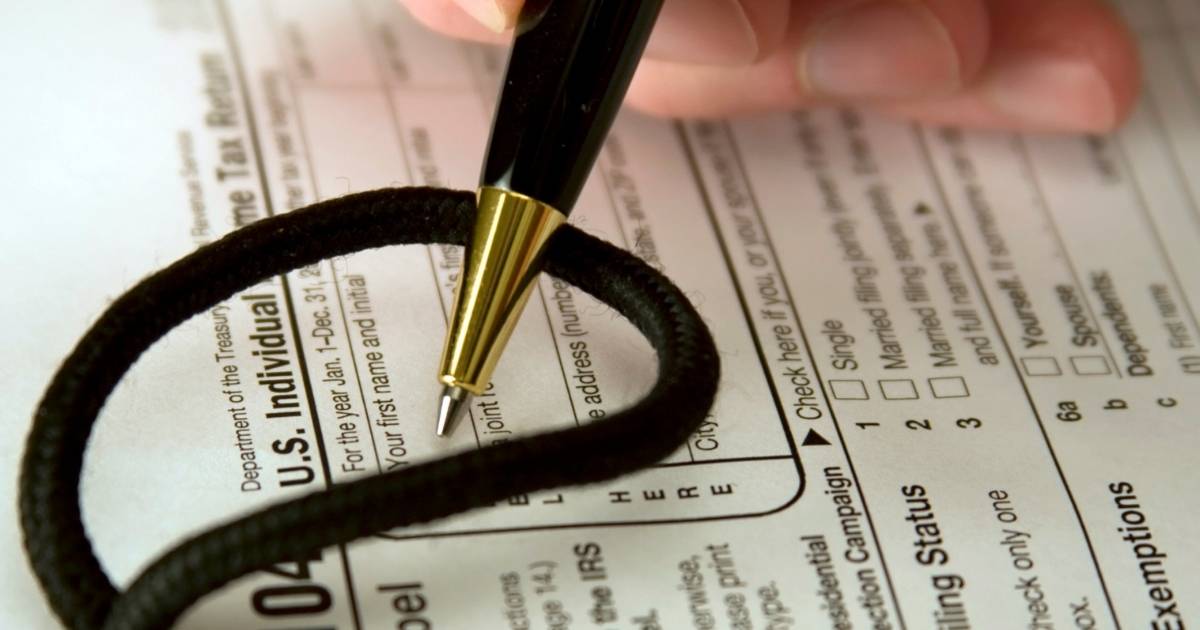
The IRS question on Form 1040 asks if you received, sold, exchanged, or otherwise disposed of any financial interest in a virtual currency. Saying "no" when you traded NFTs across multiple wallets or decentralized exchanges is a direct lie. The IRS has access to data from major centralized exchanges and is increasingly using blockchain analytics to track decentralized activity. A simple "yes" on the form opens the door to accurate reporting and avoids penalties for false statements.
No comments yet. Be the first to share your thoughts!