
Understand the 2026 reporting changes
The 2026 tax season marks a fundamental shift in how digital assets are reported to the IRS. For the first time, digital asset brokers are required to transmit cost basis information and transaction details using the new Form 1099-DA. This rule moves the burden of record-keeping from individual investors to the platforms facilitating trades.
Previously, taxpayers were responsible for self-tracking every transaction across wallets and exchanges. Now, major brokers and exchanges must issue these forms to both the taxpayer and the IRS by mid-February 2026. This standardization aims to reduce errors, but the transition period introduces significant complexity for filers who used non-brokered wallets or decentralized exchanges.
If your cost basis appears incorrect on the Form 1099-DA, you must reconcile it before filing. Relying solely on broker data without verification can lead to underreporting or overreporting income, both of which carry penalties. Use official IRS guidance to ensure your final numbers align with your actual transaction history.
Gather your transaction data
Before you file your NFT tax return, you must reconcile your personal records with the data provided by brokers and exchanges. The IRS treats NFTs as property, meaning every sale, trade, or exchange is a taxable event. Starting in 2026, broker reporting requirements will begin to materialize, but you are still responsible for accurate cost basis and gain/loss calculations.
The most critical step is wallet-by-wallet accounting. Your tax software needs to see exactly which wallet initiated each transaction to properly attribute costs. Mixing data from multiple wallets without clear separation can lead to incorrect cost basis assignments, resulting in overpaid taxes or, worse, underreported income that triggers penalties.
Begin by exporting your transaction history from every exchange and wallet you used to buy, sell, or trade NFTs. Look for CSV or JSON exports that include timestamps, asset types, transaction hashes, and USD values at the time of the trade. If you traded NFTs for other cryptocurrencies, note the fair market value of the crypto received at that exact moment.
Once you have your raw data, import it into your tax software. Most reputable platforms allow you to upload multiple CSV files. The software will attempt to match your personal records with broker-reported data. Any discrepancies—such as missing cost basis or unreported gains—must be manually reviewed and corrected before filing.
Pre-filing data checklist
-
Export transaction history from all wallets and exchanges
-
Verify cost basis for each NFT sale or trade
-
Reconcile personal records with broker-provided data
-
Identify and correct any discrepancies in gain/loss calculations
-
Confirm all transactions are attributed to the correct wallet
Log into every exchange and wallet platform where you bought, sold, or traded NFTs. Go to the transaction history or export section. Download the full history in CSV or JSON format. Ensure the export includes dates, asset types, transaction hashes, and USD values at the time of each trade.
Upload your exported files into your chosen tax software. Most platforms support multiple file uploads. The software will automatically categorize transactions and attempt to match them with broker-reported data. This step is crucial for identifying any gaps in your reporting.

Review the matched transactions. Look for any unmatched or incorrectly categorized entries. If the software assigns an incorrect cost basis, manually adjust it using your original purchase records. Ensure every gain or loss is accurately calculated before proceeding to the final filing stage.
Calculate gains for secondary sales
Every time you sell an NFT on a secondary marketplace, you trigger a taxable event. The IRS treats these sales as capital transactions, meaning you must report the profit or loss on your tax return. Failure to track these sales accurately can lead to significant penalties, as the IRS has increasingly focused on cryptocurrency and digital asset compliance.
To determine your gain or loss, you need two figures: your cost basis (what you paid for the NFT) and your proceeds (what you sold it for). The formula is straightforward: Proceeds minus Cost Basis equals Capital Gain or Loss. If the result is positive, you owe taxes. If negative, you may claim a loss.
Distinguish short-term vs. long-term holdings
The rate at which you pay taxes depends on how long you held the NFT before selling it. This distinction is critical because long-term capital gains rates are often lower than ordinary income tax rates.
- Short-term holdings: If you held the NFT for one year or less, any profit is taxed as ordinary income. These rates range from 10% to 37%, depending on your total annual income. This is effectively the same rate applied to your salary.
- Long-term holdings: If you held the NFT for more than one year, you qualify for long-term capital gains rates. These rates are typically 0%, 15%, or 20%, depending on your taxable income bracket. Holding assets longer can significantly reduce your tax liability.
Track your cost basis carefully
Your cost basis includes the purchase price of the NFT plus any transaction fees paid to acquire it. If you acquired the NFT through a mint, your basis is the mint price plus gas fees. If you bought it from another collector, it is the purchase price plus any platform fees. Accurate record-keeping is essential to avoid overpaying taxes.
Handle AI-Generated NFT Taxation
The IRS treats AI-generated digital assets as taxable property, meaning the new tax rules apply to AI NFTs just as they do to traditional ones. When you sell an AI-generated NFT, you must report the transaction on your tax return, calculating capital gains or losses based on the difference between your sale price and your initial valuation or cost basis.
For creators, the situation is more complex. Income earned from minting or selling AI-generated NFTs is generally treated as ordinary income or self-employment income. This means it is taxed at your standard income tax rate, which can be significantly higher than the capital gains rate applied to collectors. You must track the fair market value of the NFT at the time of creation to establish your cost basis.
Because AI tools can generate multiple iterations, it is critical to document which specific file was sold and when it was created. This helps justify your cost basis if the asset is audited. Failure to report these transactions can lead to penalties, as the IRS has been increasingly focused on crypto and digital asset compliance.
File your return correctly
Filing your NFT taxes for 2026 requires precision. The IRS has introduced Form 1099-DA to standardize digital asset reporting, meaning your transactions are likely already flagged [1]. Errors in reporting can trigger audits or penalties, so following the exact sequence below is critical.

By mid-February 2026, you should receive Form 1099-DA from exchanges that reported your sales [1]. Compare this form against your own records. If the exchange did not report a transaction, you are still responsible for reporting the gain or loss yourself.
Determine the cost basis for each NFT sold. This is what you paid to acquire it, including gas fees. Subtract this from the sale price to find your capital gain or loss. Keep records of every transaction date, price, and wallet address used.
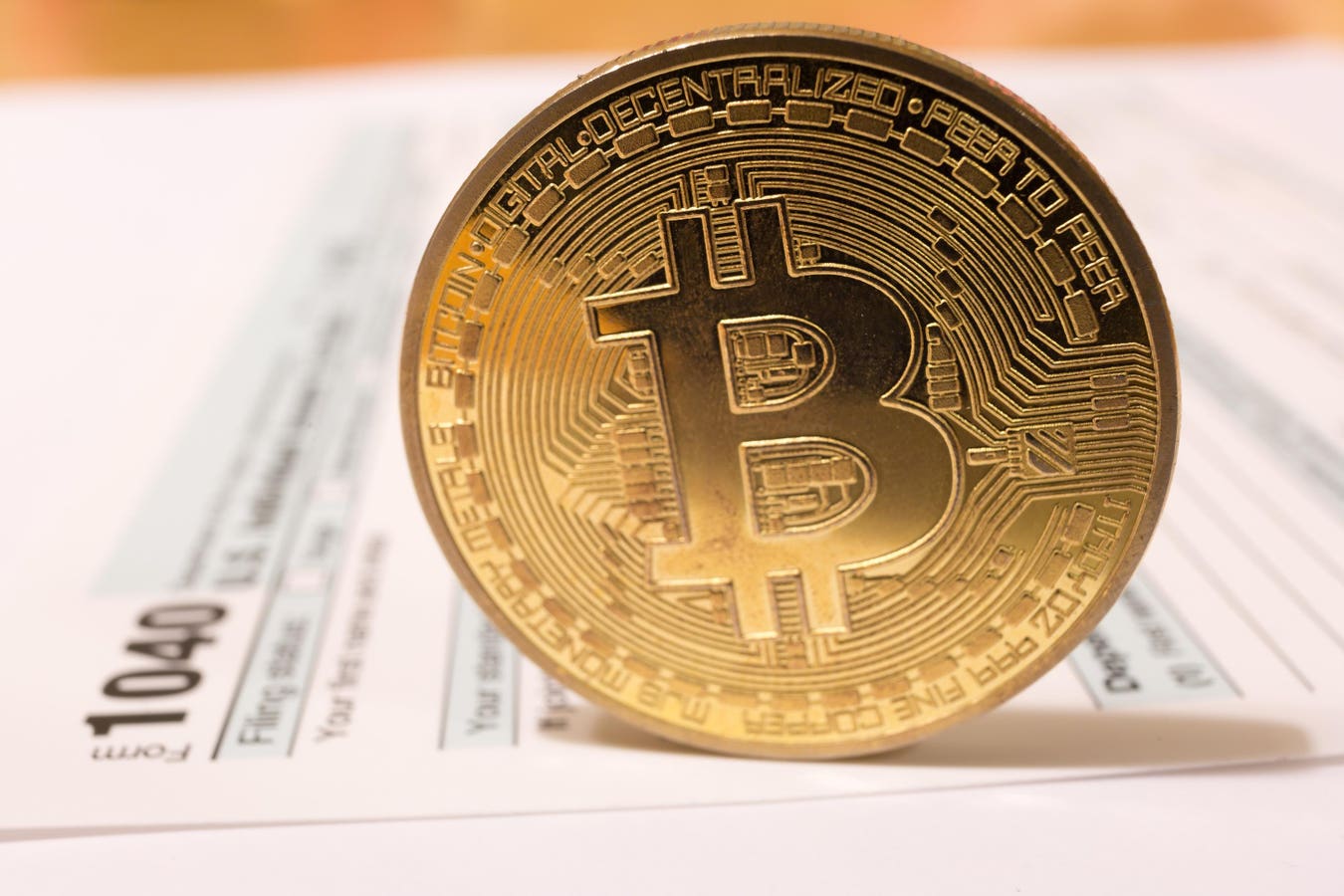
List each NFT sale on Form 8949. Enter the date acquired, date sold, proceeds, and cost basis. If you held the NFT for more than one year, mark it as "Long-term." If less than one year, mark it as "Short-term."
Summarize the totals from Form 8949 on Schedule D of your Form 1040. This calculates your total capital gain or loss for the year. Attach Schedule D to your tax return before filing.
Double-check that all 1099-DA data matches your Form 8949 entries. Use reputable tax software designed for crypto to minimize manual entry errors. If your transactions are complex, consider hiring a CPA specializing in digital assets.
Common NFT tax questions for 2026
Tax penalties for digital assets are strict. The IRS treats NFTs as property, meaning every sale, swap, or trade triggers a taxable event. Misclassifying income or ignoring wash sale rules can lead to significant fines. Use this section to clarify high-stakes scenarios before filing.
Are NFT wash sales allowed?
The IRS currently does not recognize wash sales for cryptocurrency or NFTs. You can sell an NFT at a loss and immediately buy it back to claim that deduction. However, this rule may change. Monitor IRS updates for potential legislation that could restrict this strategy.
How are NFT creator royalties taxed?
Royalties are taxed as ordinary income, not capital gains. The value of the royalty at the time of receipt is your cost basis. This often results in a higher tax rate for creators compared to collectors. Track these values carefully to avoid underreporting income.
What happens when I swap NFTs on DeFi platforms?
Exchanging one NFT for another is a taxable disposal. You must calculate the fair market value of the NFT you sold against your original cost basis. This applies to all decentralized finance (DeFi) interactions. Keep records of every transaction to substantiate your gains or losses.
No comments yet. Be the first to share your thoughts!