
Why 2026 changes crypto tax filing
The 2026 filing season represents a structural break in how the IRS tracks digital assets. For years, crypto investors operated in a self-reporting environment where the agency relied on voluntary disclosures or scattered third-party data. That era is ending. Starting with 2026 transactions, the IRS is rolling out Form 1099-DA, a new reporting mechanism that requires brokers to submit detailed transaction data directly to the tax authority.
This shift moves the burden of proof from the taxpayer to the platform. Under the new rules, brokers must report both gross proceeds and adjusted cost basis for "covered" digital assets. This means the IRS will receive a standardized record of your buys, sells, and swaps, making it significantly harder to underreport gains or overstate losses. The result is a filing season that experts are already calling a "minefield" for investors who have not kept meticulous records.
The 2026 filing season introduces Form 1099-DA, requiring brokers to report gross proceeds and adjusted cost basis for covered digital assets.
The complexity extends beyond simple spot trading. As the metaverse and DeFi ecosystems mature, the definition of "covered" assets and the interoperability of reporting across different platforms remain areas of active regulatory clarification. Investors holding NFTs or interacting with decentralized exchanges may find that traditional broker reporting does not yet capture their full activity, creating a gap between what the IRS receives and what the taxpayer must report on their return.
The transition to broker-backed data is not just an administrative update; it is a fundamental change in enforcement capability. With the IRS gaining access to granular transaction histories, the risk of audit for unreported crypto activity has increased dramatically. Investors need to prepare their records now, ensuring that their cost basis calculations are defensible and that any off-exchange activity is documented before the 2027 filing deadline for 2026 income.
How the IRS treats NFTs as property
The Internal Revenue Service classifies non-fungible tokens as property, not currency. This classification applies regardless of whether the asset represents digital art, a metaverse land parcel, or a membership token. Because the IRS treats these assets similarly to stocks or real estate, the standard capital gains framework governs how you report transactions.
When you sell an NFT for more than your cost basis, you realize a capital gain. If you hold the asset for one year or less before selling, the profit is taxed as short-term capital gains. These gains are added to your ordinary income and taxed at your marginal federal income tax rate, which currently ranges from 10% to 37%. This means a profitable trade can be taxed at the same rate as your salary.
If you hold the NFT for more than a year, the gain qualifies for long-term capital gains rates. These rates are generally lower, typically 0%, 15%, or 20%, depending on your total taxable income. The distinction between short-term and long-term holding periods is critical for tax planning. You must track the acquisition date of each unique token to determine the correct rate.
Disposals beyond sales also trigger tax events. Trading an NFT for another NFT, exchanging it for cryptocurrency, or gifting it to another wallet are all considered taxable dispositions. In these cases, the IRS views the transaction as a sale at fair market value on the date of the exchange. You must calculate the gain or loss based on the value of what you received versus your original cost basis.
This property classification extends to complex DeFi activities. Providing liquidity or staking NFTs may generate taxable income when rewards are received. The value of these rewards is treated as ordinary income at the time of receipt. Keeping accurate records of every transaction is essential to comply with IRS reporting requirements and avoid penalties.
Tax implications of staking and DeFi
Staking rewards and DeFi yields introduce ordinary income tax obligations that often conflict with the capital gains treatment applied to NFT trades. When you stake an asset or provide liquidity, the rewards you receive are treated as ordinary income at their fair market value on the date of receipt. This value becomes your cost basis for the new tokens.
If you later sell those reward tokens, you will realize a capital gain or loss based on the difference between the sale price and the initial fair market value recorded at receipt. This two-step tax event—ordinary income upon receipt, then capital gains upon sale—requires precise tracking. Unlike simple spot trades, DeFi interactions often involve multiple tokens and fluctuating values, making manual calculation prone to error.
Creator royalties vs collector gains
The tax code draws a sharp line between the artist who mints an NFT and the investor who buys it. This distinction determines whether you face ordinary income rates or capital gains treatment, a difference that can alter your final tax bill by double digits.
Creator income and self-employment tax
When you mint and sell an NFT, the IRS treats the proceeds as ordinary income. If you are a sole proprietor or freelancer, these earnings are subject to self-employment tax in addition to your standard income tax bracket. This means the top marginal rate for high earners can reach 37% for the income portion, plus the 15.3% self-employment tax, creating a combined effective rate that often exceeds 50%.
Royalties function similarly. Each time your NFT resells on a secondary market and triggers a royalty payment, that payment is considered new ordinary income. You must report every royalty payment in the year it is received. There is no step-up in basis for royalties, and they do not qualify for the lower long-term capital gains rates.
Collector capital gains
Collectors face a different regime. If you hold an NFT for more than one year before selling, any profit is taxed as a long-term capital gain. The maximum federal rate for long-term gains is 20%, plus a potential 3.8% net investment income tax, capping the federal burden at 23.8%. This is significantly lower than the top marginal income rate applied to creators.
However, if you sell an NFT you have held for less than a year, the profit is taxed as a short-term capital gain. The IRS treats short-term gains exactly like ordinary income, applying your standard income tax bracket. This removes the tax advantage for quick flips, aligning the collector’s tax burden with that of the creator.
Side-by-side comparison
The following table summarizes the primary tax distinctions for 2026.
| Category | Tax Rate | Reporting Requirement |
|---|---|---|
| Creator (Minting/Sales) | Ordinary income (up to 37%) + 15.3% SE tax | Schedule C (Self-Employment) |
| Creator (Royalties) | Ordinary income (up to 37%) + 15.3% SE tax | Schedule C (Self-Employment) |
| Collector (Held >1 Year) | Long-term capital gains (up to 20%) + 3.8% NIIT | Schedule D |
| Collector (Held <1 Year) | Short-term capital gains (ordinary income rates) | Schedule D |
Tracking tools for NFT tax compliance
The IRS treats NFTs as property, meaning every mint, trade, and sale generates a taxable event. When you layer in metaverse land swaps and DeFi liquidity pool interactions, manual tracking becomes impossible. You need software that can reconcile wallet-by-wallet activity against the new Form 1099-DA requirements. Without automated reconciliation, you risk misreporting gains or missing short-term capital gains entirely.
TokenTax and CoinLedger stand out for handling the complexity of cross-chain NFT transactions. These platforms import data directly from your wallets and exchanges, mapping each transaction to the correct tax category. They automate the calculation of cost basis, which is critical when you are dealing with fragmented liquidity across multiple protocols. Look for tools that explicitly support Form 1099-DA reconciliation to ensure your filings align with current IRS guidance.
Choose a solution that offers clear audit trails. If the IRS questions a specific DeFi yield or NFT flip, you need a detailed report that shows the exact date, time, and value of the transaction. Avoid generic crypto trackers that only handle simple buys and sells; you need specialized NFT tax software that understands the nuances of digital collectibles and smart contract interactions.
Checklist for 2026 NFT Tax Filing
The 2026 filing season presents a complex landscape for digital asset holders, with experts warning of a messy process for those navigating crypto regulations. To ensure compliance and avoid penalties, you must systematically reconcile your transaction history against official IRS guidance. This process requires precision, as the IRS now treats NFTs with greater scrutiny than in previous years.

Start by gathering all Form 1099-DA statements from your exchanges and marketplaces. Compare these reports against your internal transaction logs to identify any discrepancies. If your platform did not issue a form, you are still legally required to report those transactions, so maintain detailed records of every mint, sale, and trade.
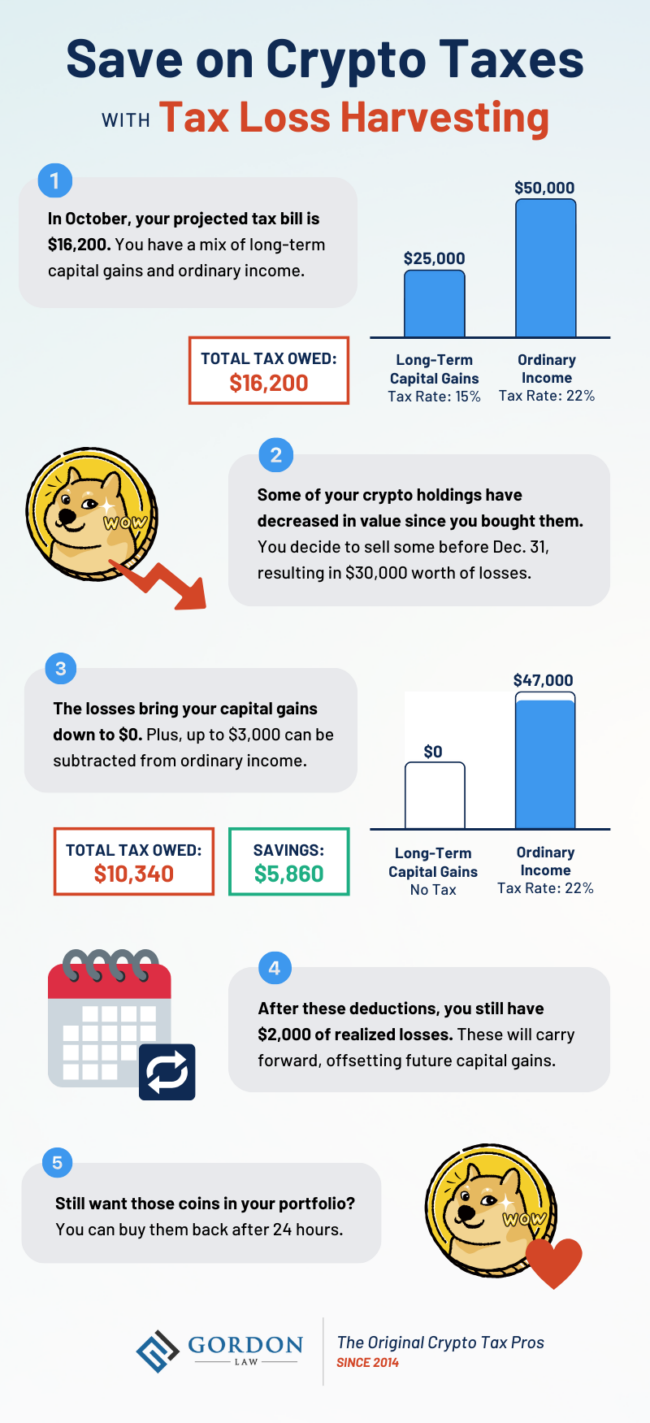
Determine the holding period for each NFT to classify gains as short-term or long-term. Short-term gains are taxed at your ordinary income rate, while long-term gains benefit from lower capital gains rates. Accurate date tracking is essential, as the difference can significantly impact your final tax liability.

Income from staking rewards or secondary sales royalties is treated as ordinary income at the time of receipt. Report the fair market value of these assets in USD on the day you received them. Failure to report this income is a common audit trigger, so ensure your bookkeeping captures these events accurately.
Complete Form 8949 to report each discrete transaction involving NFTs. You must list the date acquired, date sold, proceeds, cost basis, and gain or loss for every item. Attach this form to your Form 1040, ensuring that the totals match the data reported on your 1099-DA forms and internal calculations.
The IRS has increased its focus on digital assets. Inaccurate reporting or missing forms can lead to significant penalties. Consider using a tax professional specializing in crypto to navigate these requirements.
What to check next for NFT value and reporting
- Verify Form 1099-DA Accuracy: Cross-check every transaction reported by your broker against your own wallet history. Discrepancies in cost basis or proceeds can lead to overpayment or audit flags.
- Document DeFi Interactions: Ensure all staking rewards, liquidity provision yields, and NFT swaps are recorded with precise timestamps and USD values at the time of transaction.
- Separate Creator vs. Collector Status: If you mint or sell frequently, consult a CPA to determine if you qualify for self-employment tax deductions or if your activity is classified as investment income.
- Retain Supporting Evidence: Keep screenshots of marketplace transactions, smart contract interactions, and wallet addresses. The IRS may request proof of cost basis for NFTs sold years prior.
No comments yet. Be the first to share your thoughts!