
2026 Tax Landscape: New Reporting Rules
The 2026 filing season marks a structural shift in how the IRS tracks digital assets. For the first time, the agency moves from relying on self-reported data to receiving direct transaction reports from brokers. This change eliminates the "off-chain" anonymity that characterized earlier years, making accurate record-keeping a legal imperative rather than a best practice.
Under the new reporting framework, brokers must file Form 1099-DA for "covered" digital assets. This form details both gross proceeds and adjusted cost basis for transactions. The IRS will use this data to cross-check individual returns. Discrepancies between your filed return and the broker's report can trigger audits, penalties, and interest. The 2026 filing season is widely considered a minefield for investors who failed to maintain precise records during the transition period.
Despite these new reporting mechanisms, the fundamental tax treatment of NFTs remains unchanged. The IRS continues to classify NFTs as taxable property, not as collectibles, unless they meet specific criteria. This classification generally means capital gains taxes apply, rather than the higher collectibles tax rate. However, certain NFTs may still be subject to the 28% collectibles rate if they are deemed to be collectible items under existing case law.
Understanding this distinction is vital for calculating your liability. Short-term capital gains (assets held one year or less) are taxed at your ordinary income tax rate, ranging from 10% to 37%. Long-term capital gains (assets held more than one year) are taxed at 0%, 15%, or 20%, depending on your income. If an NFT is classified as a collectible, the long-term rate jumps to 28%. Accurate holding period tracking is therefore essential for minimizing your tax burden.
Calculate your NFT capital gains
Tax liability depends on three variables: how long you held the asset, how you disposed of it, and the specific classification the IRS assigns to the NFT. You must determine the gain or loss for each individual transaction. A single day can involve multiple sales, swaps, and transfers, each requiring separate calculation.
Determine the holding period
The clock starts the day you acquire the NFT. It stops on the day you dispose of it. The IRS counts the acquisition date but excludes the disposal date.
- Short-term: Held for one year or less. Taxed at your ordinary income tax bracket (10%–37%).
- Long-term: Held for more than one year. Taxed at preferential capital gains rates (0%, 15%, or 20%).
Classify the asset type
Most digital assets are treated as standard capital assets. However, the IRS may classify certain NFTs as "collectibles." This distinction is critical because it changes the long-term tax rate.
If an NFT is deemed a collectible, the long-term capital gains tax rate is capped at 28% rather than the standard 20% maximum. You must consult the relevant IRS guidance to determine if your specific NFT falls under this category.
Compute the gain or loss
Subtract your cost basis from the sale price. The cost basis is what you paid to acquire the NFT, including transaction fees. If you received the NFT as income, your basis is the fair market value at the time of receipt.
Sale Price - Cost Basis = Capital Gain (or Loss)
Report these figures on Schedule D and Form 8949. Keep detailed records of every transaction to substantiate your calculations.



As an Amazon Associate, we may earn from qualifying purchases.
Track transactions across wallets
Filing season for 2026 will be "messy and a minefield" for investors who fail to aggregate their data before the deadline.
Because digital asset tax experts warn that the upcoming filing season will be complex, relying on a single exchange report is insufficient. You must aggregate data from every source—self-custody wallets, decentralized exchanges, and centralized platforms—to ensure no taxable event is missed.

Log into every centralized exchange where you traded or held NFTs. Navigate to the tax or transaction history section. Download the full CSV report for the 2026 tax year. Ensure you capture all buy, sell, and trade events, as these are considered "covered" assets under new reporting standards.

For non-custodial wallets, use blockchain explorers or dedicated crypto tax software to import your public address. Importing via API keys provides the most accurate data. If you must use manual address imports, verify that the software supports the specific blockchain networks (e.g., Ethereum, Solana, Polygon) where your NFTs reside.
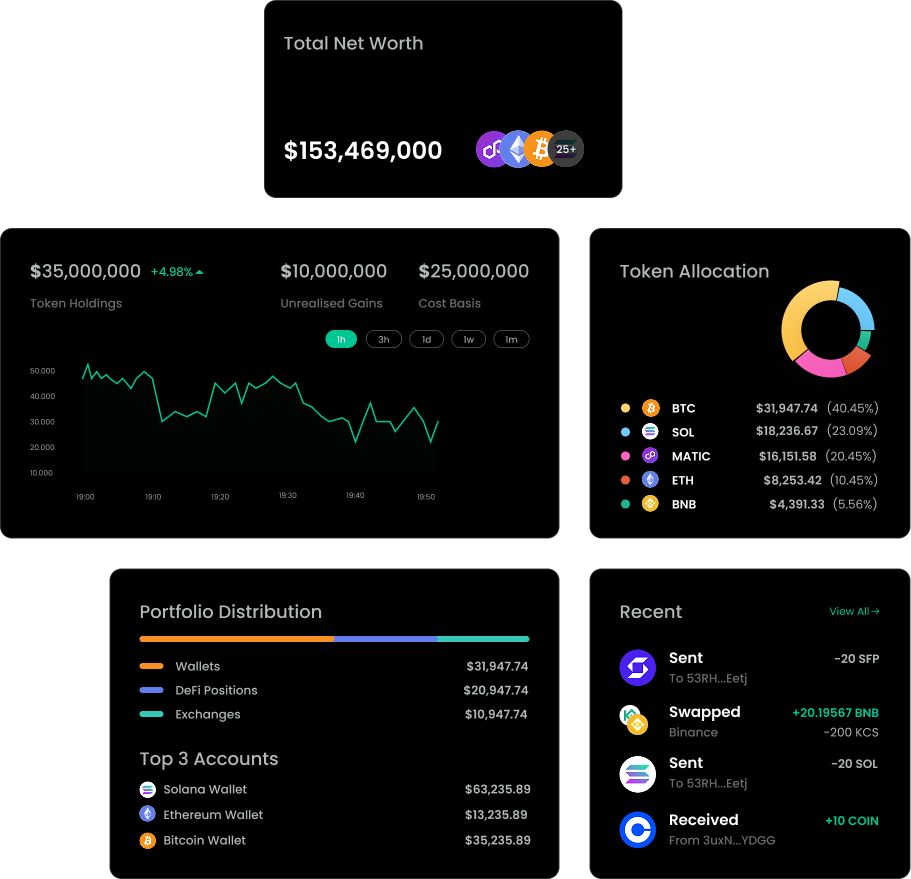
Cross-reference your exchange exports with your on-chain data. You will likely find duplicate records for trades executed via decentralized protocols that were also routed through an exchange interface. Identify the true cost basis for each NFT by matching transaction hashes and timestamps to avoid double-counting gains or losses.

Classify each transaction according to IRS guidance. Sales and trades for fiat or other cryptocurrencies trigger capital gains or losses. Air-drops and staking rewards are treated as ordinary income. Gifts and transfers between your own wallets are generally not taxable events but must be documented to prove ownership history.
Once your data is aggregated, you can accurately calculate your short-term and long-term capital gains. Be aware that some NFTs may be classified as "collectibles" by the IRS, which subjects long-term gains to a higher 28% tax rate rather than the standard capital gains brackets.
Avoid Common NFT Filing Mistakes
Tax audits often stem from three specific errors: ignoring airdrops and staking rewards, failing to report NFT swaps, and misclassifying cost basis. The IRS treats these digital assets as property, meaning every transaction triggers a taxable event. Ignoring these rules invites penalties that far exceed the tax liability itself.
Missed Income Events
Many filers only report direct sales of NFTs. This overlooks income generated from staking rewards, airdrops, and community grants. The IRS requires you to report the fair market value of these assets at the moment you receive them. If you received an NFT airdrop worth $500, that $500 is taxable income in the year received, regardless of whether you sell it later.
Unreported Swaps and Trades
Swapping an NFT for another NFT, or trading it for crypto, is a disposal event. You must calculate the capital gain or loss based on the difference between the original cost basis and the fair market value at the time of the swap. Failing to report these internal transfers creates a gap in your transaction history that automated IRS matching tools can easily detect.
Incorrect Cost Basis
Misclassifying cost basis is a frequent error. Your basis is what you paid for the NFT, including gas fees. If you cannot prove your original purchase price, the IRS may assume your basis was zero, taxing the entire sale proceeds as profit. Keep detailed records of every transaction to substantiate your basis.
Pre-Filing Compliance Checklist
Use this checklist to ensure your NFT tax return is accurate before submission:
-
Report all NFT airdrops and staking rewards as ordinary income.
-
Calculate capital gains or losses for every NFT swap or trade.
-
Verify cost basis includes all associated gas fees and transaction costs.
-
Cross-reference wallet addresses with your tax software to catch unreported transactions.
File your 2026 digital asset returns
The 2026 filing season introduces a high-stakes environment for digital asset reporting. With new IRS Schedule 1 questions targeting cryptocurrency and NFT transactions, accuracy is no longer optional. Experts describe the 2026 filing process as a "minefield," where even minor reporting errors can trigger audits or penalties.
Begin by gathering all transaction records. The IRS now requires detailed cost basis information for "covered" digital assets, meaning you must report both gross proceeds and adjusted cost basis. If you hold NFTs, determine whether they qualify as collectibles (taxed at 28%) or standard capital assets (0-20% long-term). Short-term gains on assets held one year or less are taxed at ordinary income rates.
Retain records for the statute of limitations
The statute of limitations for IRS audits typically spans three years, but this window extends to six years if income is underreported by more than 25%. Given the complexity of NFT valuations and the new reporting requirements, maintaining robust records is your primary defense. Keep transaction hashes, marketplace receipts, and wallet addresses. Without this evidence, you cannot substantiate your cost basis or claim losses, leaving you liable for maximum tax assessments.
Frequently asked: what to check next
Always consult a qualified tax professional to determine your specific liability. Tax codes change, and individual circumstances vary.
No comments yet. Be the first to share your thoughts!